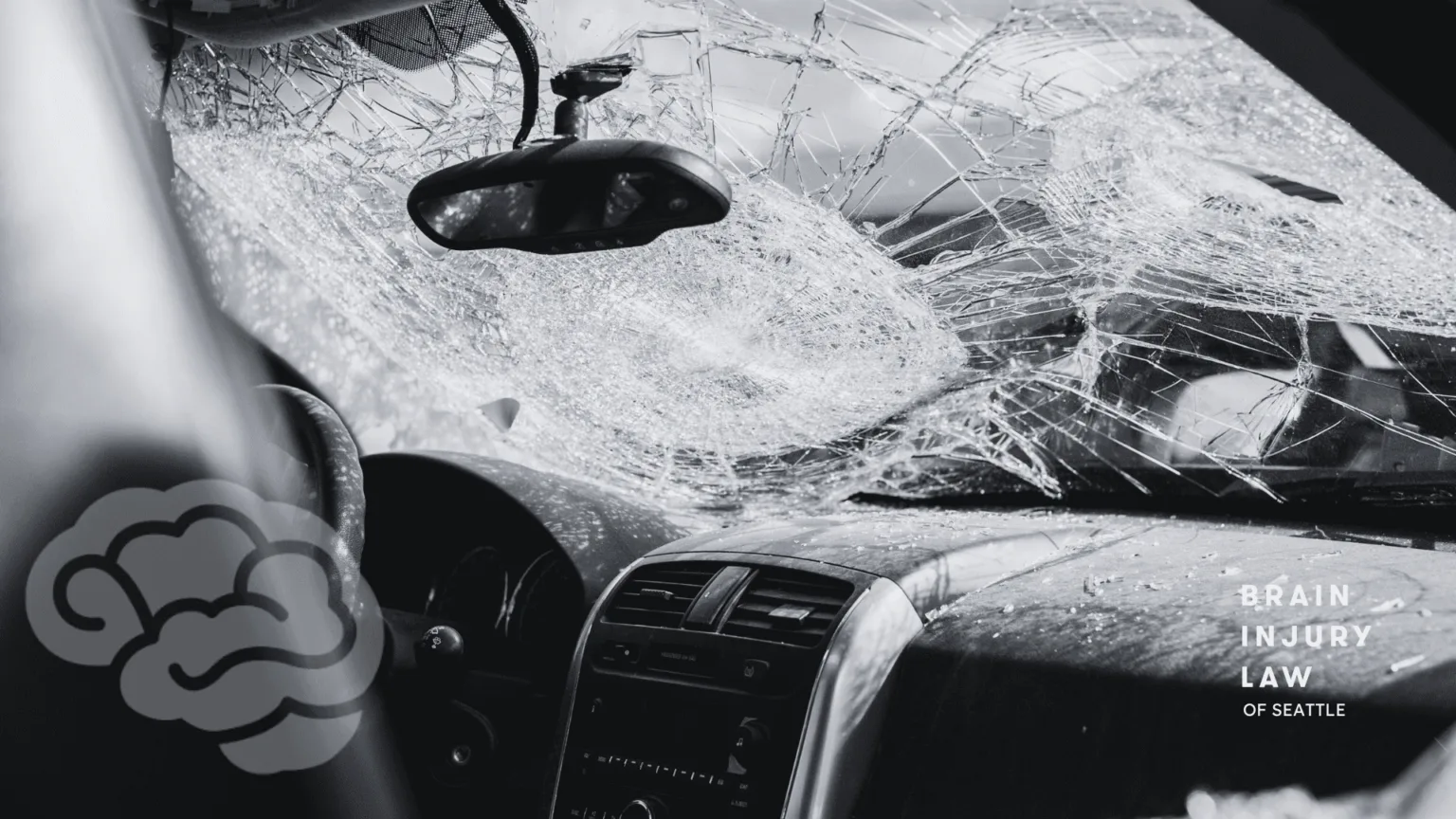
Vehicle collisions can cause a wide range of injuries, from concussions and traumatic brain injuries to fractures, spinal injuries, and other serious medical conditions. If you or a loved one was injured because of another driver’s negligence, you may be entitled to compensation for medical expenses, lost income, and other losses. Our Seattle car accident lawyers help injury victims and families pursue recovery throughout Washington.
Why Do I Need a Specialized Brain Injury Attorney?
Brain injuries are different from other accident-related injuries. A broken arm or whiplash, while painful, usually has a straightforward diagnosis and recovery path—these injuries are visible and obvious.
Brain injuries, however, can be complex, invisible, and highly unpredictable. Symptoms can linger for months or even years, and in some cases, additional complications appear long after the accident.
Insurance companies often downplay concussions or TBIs, labeling them “minor” injuries or questioning the extent they affect your daily life. Without legal representation, you may find your claim undervalued or outright denied.
Helping Victims and Families After a Serious Collision
The days and weeks following a car crash are often filled with uncertainty. At Brain Injury Law of Seattle, we help clients and families by:
- Focusing on traumatic brain injuries and other injuries with long-term consequences.
- Helping connect clients with medical specialists, rehabilitation providers, and other professionals involved in recovery.
- Working with medical experts to understand the full impact of an injury.
- Investigating the accident and identifying all potentially responsible parties.
- Building claims that account for future medical care, lost earning capacity, and ongoing support needs.
- Preparing every case with the evidence necessary to support a strong claim.
Whether you are recovering from an injury yourself or helping a loved one through recovery, our team is here to provide compassionate guidance and support.
What Injuries Are Common After a Car Accident?
The force generated during a collision can affect nearly every part of the body. Some injuries are immediately apparent, while others may take days or weeks to fully develop.
Traumatic Brain Injuries
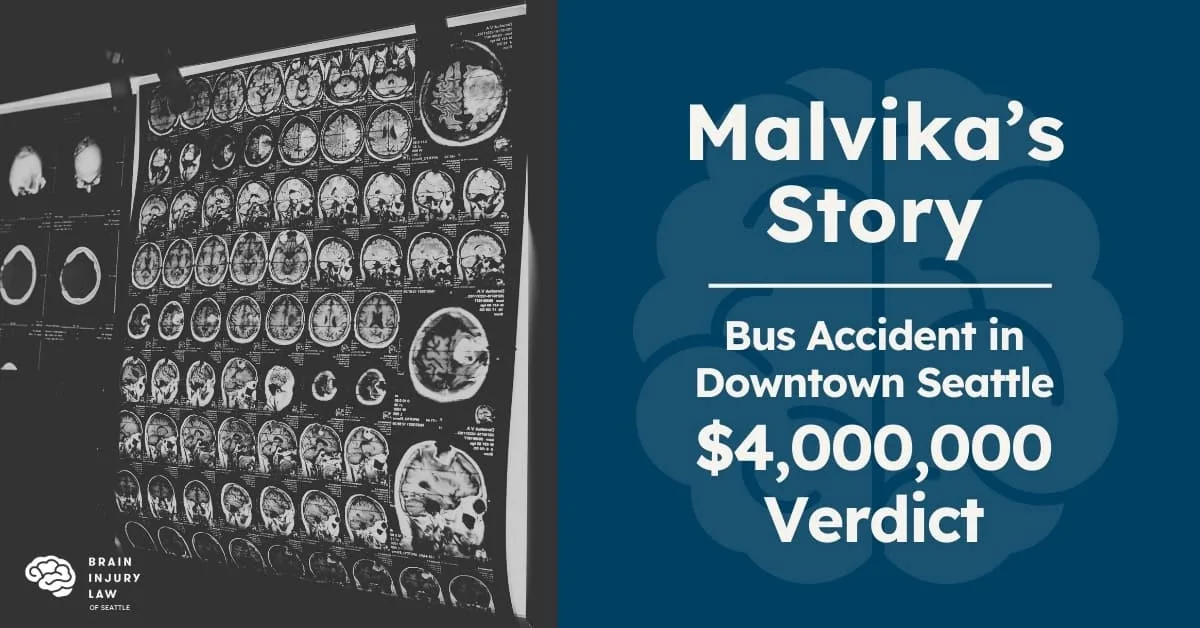
Traumatic brain injuries are among the most serious injuries associated with car accidents. These injuries can affect memory, concentration, emotional regulation, sleep patterns, and overall cognitive function. In severe cases, a brain injury may permanently affect a person’s ability to work, maintain relationships, or live independently.
Importantly, the brain can be injured even without a direct blow to the head. The rapid movement of the head and neck during a collision may be enough to cause a concussion or traumatic brain injury.
Concussions
Concussions are frequently dismissed as minor injuries, but their effects can be significant. Symptoms may include headaches, dizziness, confusion, fatigue, sensitivity to light or noise, and difficulty concentrating.
Neck and Back Injuries
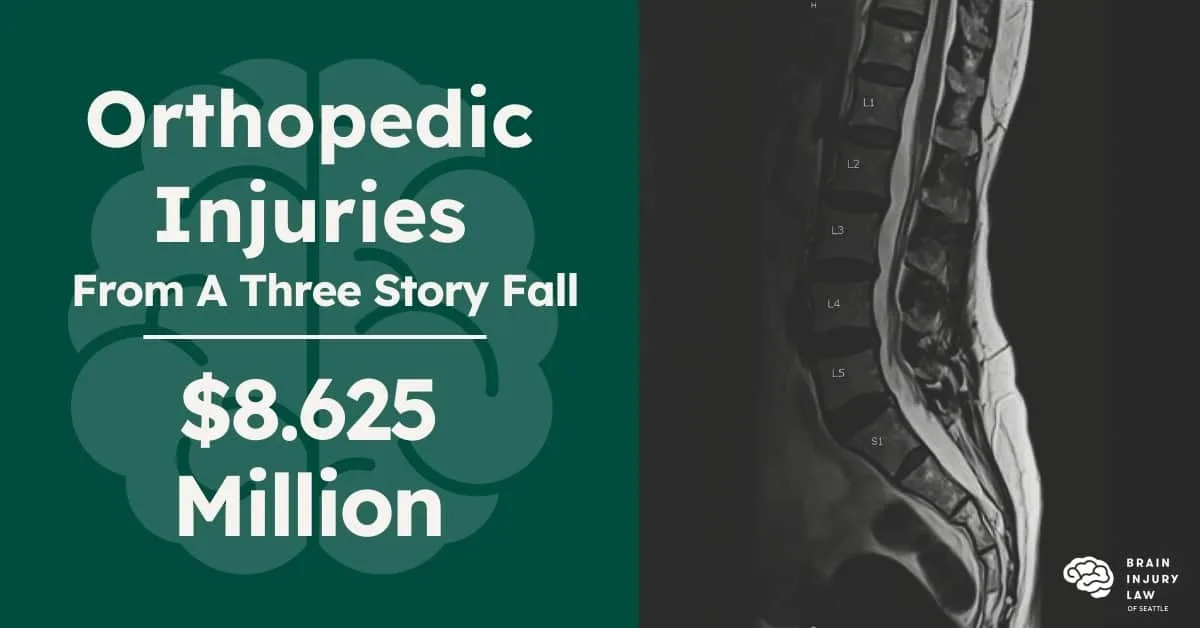
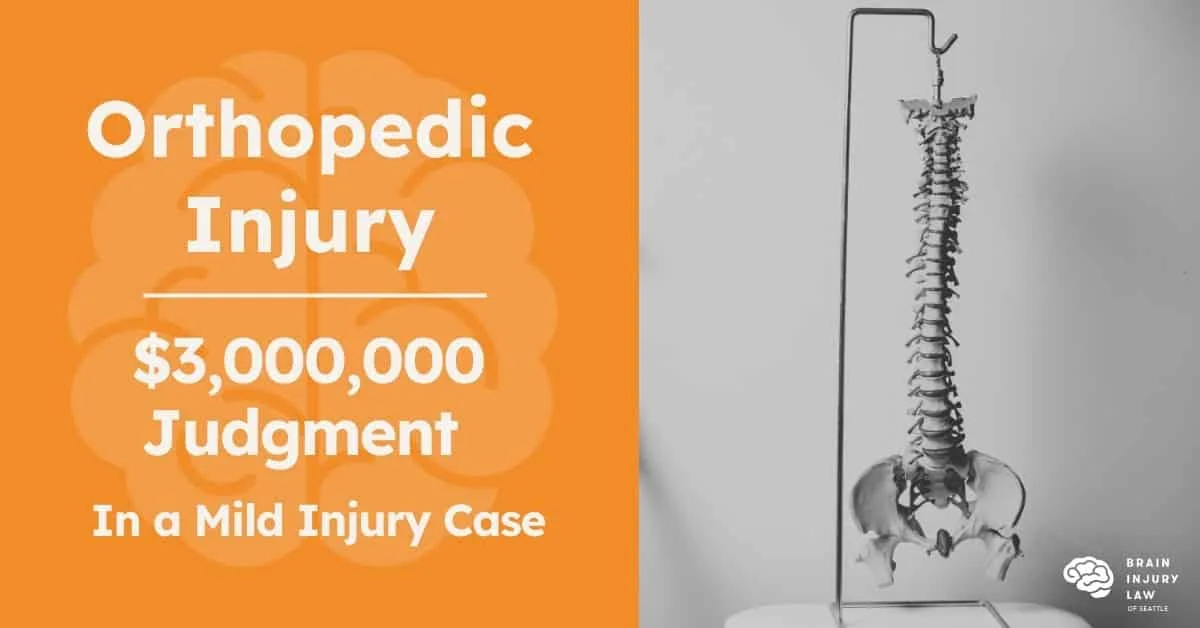
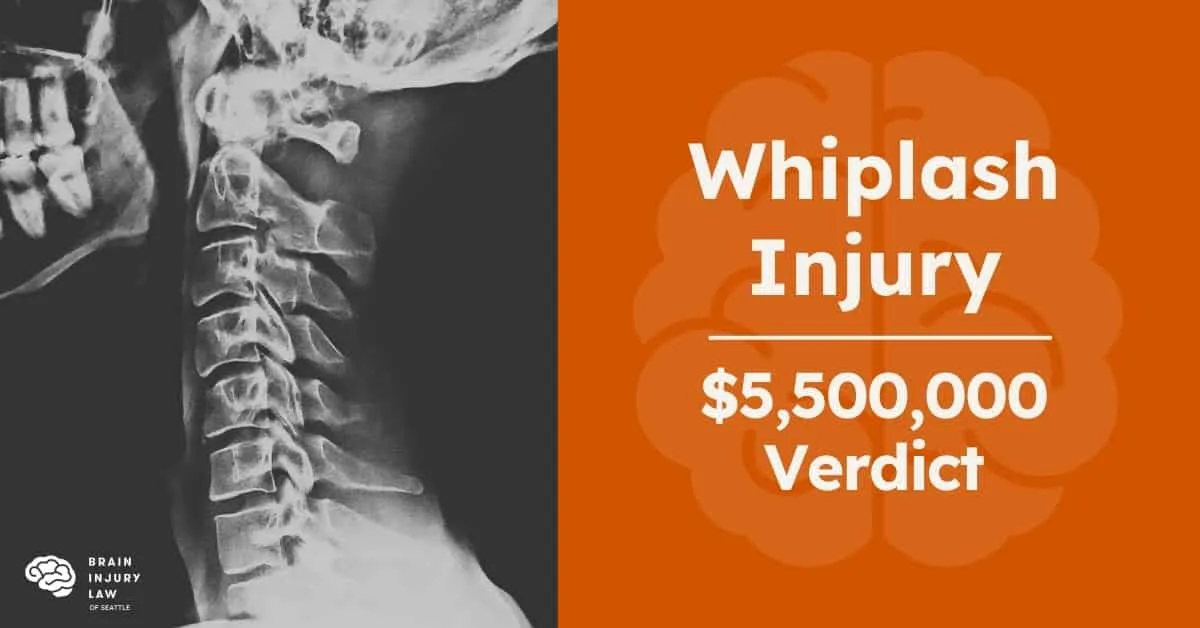
Whiplash, herniated discs, and other neck or back injuries are common after motor vehicle collisions. Some individuals experience chronic pain and ongoing limitations long after the accident.
Fractures
Broken bones often require surgery, physical therapy, and extensive rehabilitation. Serious fractures can affect mobility and daily activities for months or even years.
Why Brain Injuries Are Sometimes Missed After a Crash
One of the most challenging aspects of a brain injury is that symptoms do not always appear right away. Following a collision, adrenaline and shock may temporarily mask symptoms, causing people to believe they escaped serious harm.
In other situations, concussion symptoms develop gradually over time. A person may begin experiencing headaches, memory problems, mood changes, difficulty concentrating, or sleep disturbances days after the accident.
Standard imaging studies do not always identify every brain injury. As a result, some individuals struggle with real symptoms despite being told that initial scans appear normal.
Because brain injuries can affect nearly every aspect of daily life, it is important to seek medical attention whenever symptoms arise after a collision.
Who Can Be Held Liable?
Liability depends on the facts of the case and the circumstances surrounding the crash.
Potentially responsible parties may include:
- Negligent drivers
- Employers of drivers acting within the scope of employment
- Vehicle owners
- Manufacturers of defective vehicle components
A thorough investigation can help determine how the accident occurred and identify all available sources of compensation.
What Compensation May Be Available?
If you or a loved one has suffered a TBI or catastrophic injury in a car accident, compensation may be available for:
- Medical expenses
- Rehabilitation and therapy costs
- Lost wages
- Reduced earning capacity
- Pain and suffering
- Other injury-related losses
When a crash results in a traumatic brain injury or another serious condition, future losses often become a significant component of the claim. Ongoing medical treatment, cognitive rehabilitation, therapy, assistive services, and long-term care needs can create substantial financial burdens. You can rely on us to help you obtain compensation that considers all your medical and financial needs, now and in the future.
Contact Brain Injury Law of Seattle
A serious car accident can affect your health, career, finances, and relationships. For many families, the impact extends far beyond the collision itself. If you or a loved one has been seriously injured in a car accident, Brain Injury Law of Seattle is here to help. Connect with us today for a free consultation.
Frequently Asked Questions
What should I do after a car crash?
Seek medical attention, report the accident, document the scene if possible, and preserve any evidence related to the crash. Prompt medical evaluation is especially important when a head injury is suspected.
Can I have a concussion even if I didn't hit my head?
Yes. The force of a collision can cause the brain to move within the skull, resulting in a concussion or traumatic brain injury even without direct head impact.
How long after a collision can concussion symptoms appear?
Some symptoms appear immediately, while others develop hours or days later. Headaches, dizziness, memory problems, and difficulty concentrating should be evaluated by a medical professional.
How much is a car accident case worth?
The value of a claim depends on factors such as the severity of the injuries, medical expenses, lost income, future care needs, and the overall impact on the victim’s life.