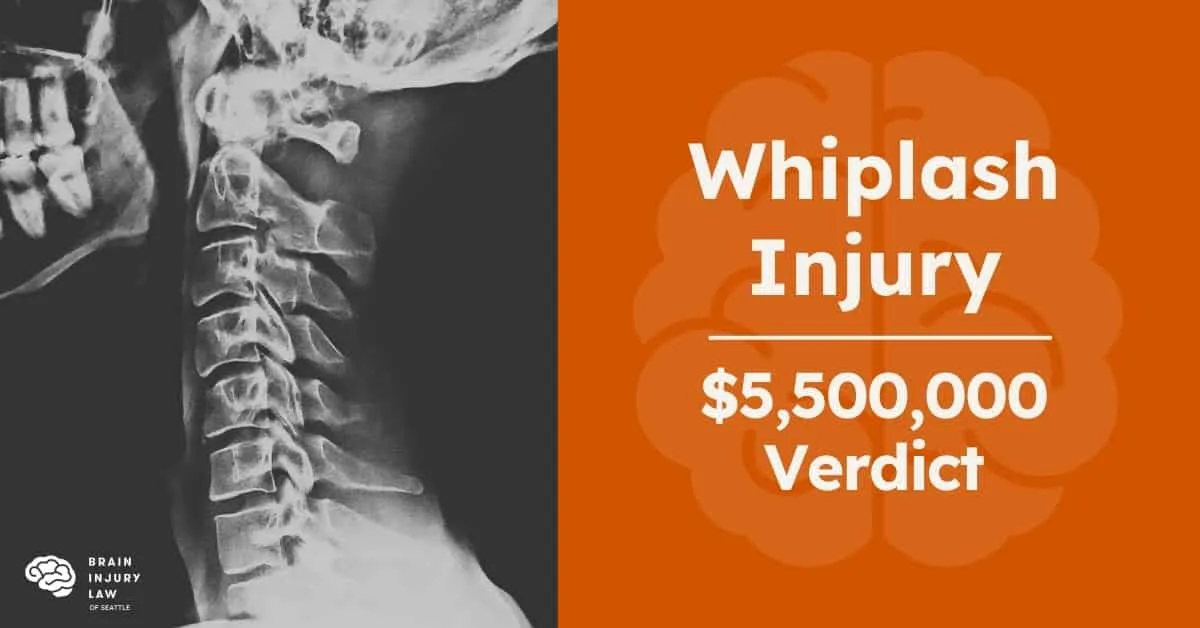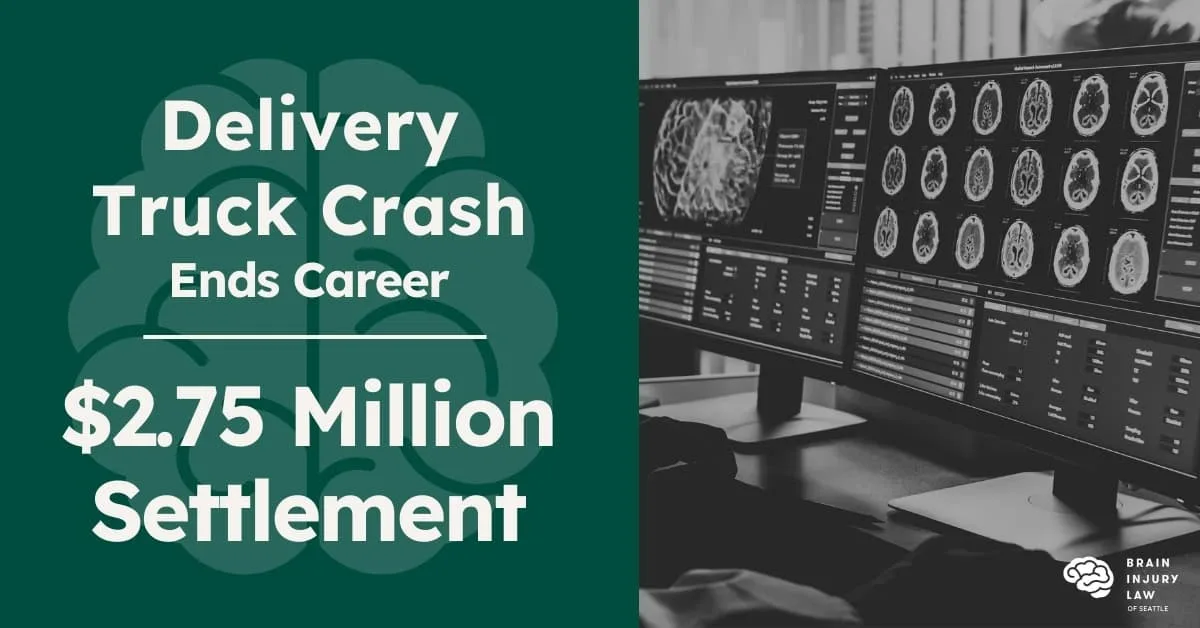
Brain Injury Law of Seattle represents people across Seattle and Washington who have suffered serious harm through someone else’s negligence, with a primary focus on traumatic brain injuries and other catastrophic injuries such as spinal cord damage, head and neck trauma, and severe fractures. We handle car, motorcycle, bicycle, pedestrian, slip and fall, truck, and maritime claims, working to prove the full extent of your injury and pursue the compensation you need to rebuild your life. Our Seattle personal injury attorneys put your medical recovery first while building a case to hold the responsible parties accountable.
Why Choose Brain Injury Law of Seattle
Personal injury cases that involve a brain injury demand more than a standard settlement playbook. Our firm concentrates on the medical and legal complexity of serious head trauma, and we bring resources that most general practices do not.
Founded by Scott Blair, a recognized pioneer in brain injury law with more than 25 years of experience
- One of the few Washington firms focused specifically on traumatic brain injury and other catastrophic injuries, including spinal cord, head, and neck trauma
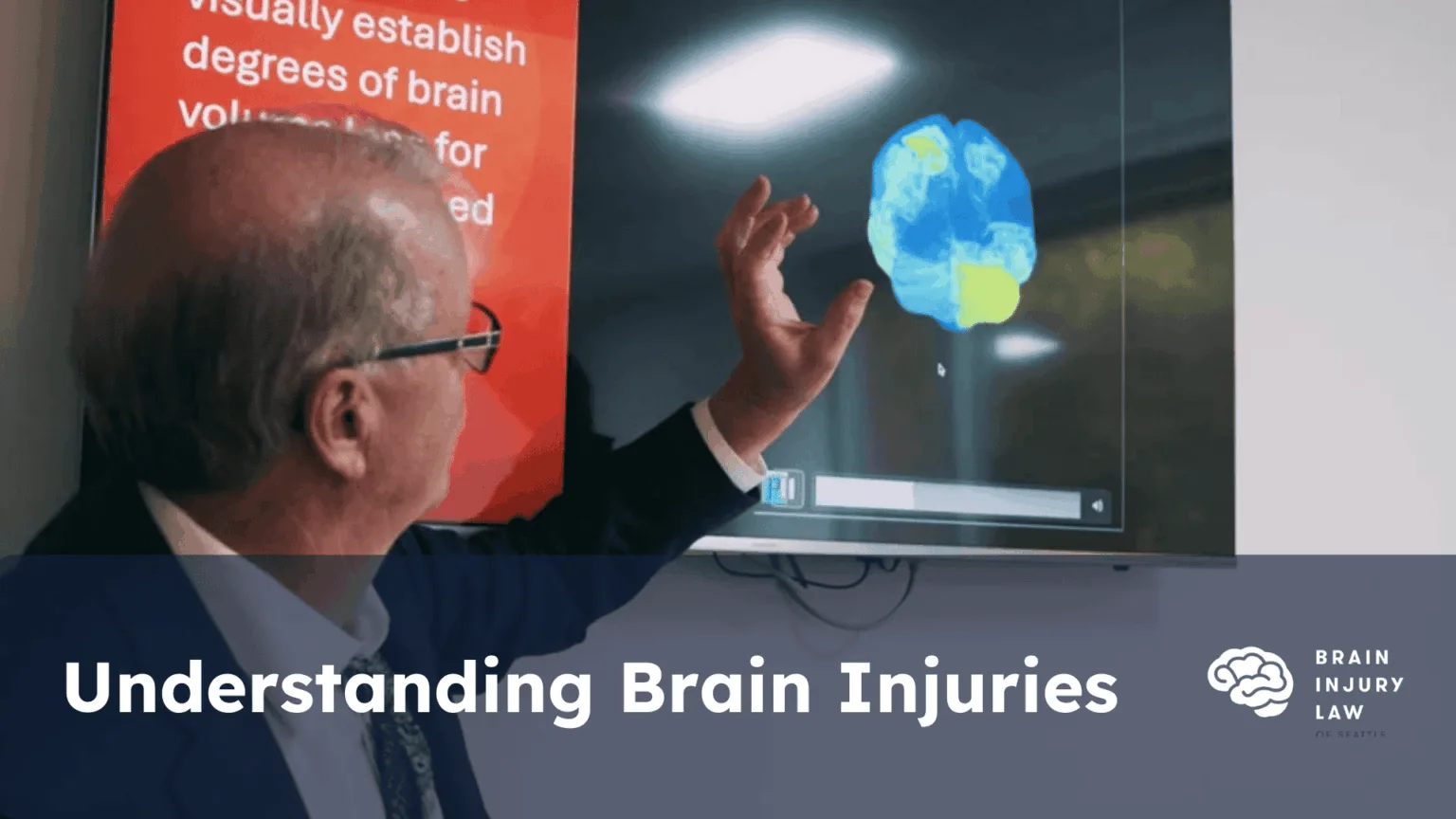
- Advanced neuroimaging, including Diffusion Tensor Imaging and Arterial Spin Labeling, to document brain injuries that standard CT scans and MRIs often miss
- A team that collaborates with neurologists, rehabilitation specialists, and neuropsychologists to prove both your current losses and future care needs
- Every case prepared for trial to level the playing field with insurance companies
- A track record of multimillion-dollar verdicts and settlements for seriously injured clients
- Decades of combined experience across car, truck, motorcycle, bicycle, pedestrian, premises, and maritime injury claims
From your first free consultation forward, our priority is getting you the right diagnosis, the right treatment, and the full compensation your recovery requires. You do not have to navigate the medical, legal, and financial impact of a brain injury alone. We are here to guide you every step of the way and fight for the resources your future depends on.

What Types of Personal Injury Cases Does the Firm Handle?
Brain Injury Law of Seattle handles a wide range of personal injury claims across Seattle and the surrounding Washington communities, with particular strength in cases that cause head and brain trauma. Many of these cases begin as a car accident or a slip and fall and only later reveal a concussion or a more serious brain injury, so we investigate every claim with that possibility in mind. We also represent people hurt in commercial truck crashes, which frequently cause catastrophic injuries. The accidents we handle include:
Car, Truck, & Motorcycle Collisions
Bicycle & Electric Scooter Accidents
Slip and Fall & Other Premises Liability Injuries
Sports & Recreation Injuries
Maritime & Boating Accidents
Defective Product Injuries
Pedestrian Accidents
Commercial Truck Crashes
How Long Do You Have to File a Personal Injury Claim in Washington?
In Washington, you generally have three years from the date of your injury to file a personal injury lawsuit. State law limits most injury actions to three years from the date of the harm, and missing that deadline usually means losing the right to compensation no matter how strong your case is.
A few situations can change this timeline. If the injured person is a child, the three-year clock generally does not start until their 18th birthday, which means they typically have until age 21 to file. If an injury is not discovered right away, the deadline may instead run from when it reasonably should have been discovered. And claims against a city, county, or state agency come with an extra step. You usually have to file a formal claim and then wait 60 days before you can sue, so these cases need attention well before the three-year mark.
Acting early also protects the evidence your case depends on, because medical records, vehicle data, and witness memories all fade over time.

Can You Recover Compensation If You Were Partly at Fault?
Yes. Washington follows a pure comparative negligence rule, so sharing some of the blame for an accident does not bar you from recovering compensation. Under this rule, your recovery is reduced in proportion to your share of fault rather than eliminated.
If you are found 20 percent at fault for a crash, for example, you can still recover 80 percent of your damages. Insurance companies understand this, so they often try to assign you as much fault as possible to shrink what they pay. Having an attorney document what really happened helps protect your share of the recovery.
What Compensation Can You Recover After a Serious Injury?
A Seattle personal injury claim can recover compensation for both the financial costs of your injury and the personal losses that are harder to put a number on. Depending on your case, economic and non-economic damages can include:
- Current and future medical bills
- Rehabilitation and long-term care
- Out-of-pocket expenses
- Lost wages and reduced earning capacity
- Pain and suffering
- Loss of enjoyment of life and quality of life
- Disfigurement and permanent impairment
- Property damage
Brain injuries make this calculation especially difficult, because the full impact may not appear for months. We focus on proving the true extent of a brain injury so your claim reflects the care and support you will actually need.
What You Can Expect When Working with Brain Injury Law of Seattle
When you work with Brain Injury Law of Seattle, you can expect a highly focused and strategic approach tailored to the unique challenges of traumatic brain injury cases. From the outset, our team prioritizes understanding the full scope of your injury, not just what appears in standard imaging, but the cognitive, emotional, and functional impacts that can affect your daily life. We coordinate with leading medical professionals and utilize advanced diagnostic tools to build a clear, evidence-based picture of your condition.
Throughout your case, we handle all communication with insurance companies and opposing parties, allowing you to focus on your recovery. Our attorneys prepare every case as if it will go to trial, which strengthens your position in negotiations and helps ensure no aspect of your damages is overlooked. You will receive consistent updates, straightforward guidance, and a legal strategy built around securing the long-term care and compensation your injury demands.
Talk to a Seattle Personal Injury Attorney Today
A serious injury can upend your health, your finances, and your future all at once. The team at Brain Injury Law of Seattle is ready to review your case, explain your options, and deal with the insurance company while you focus on healing. Contact Brain Injury Law of Seattle today to schedule a free consultation. You pay no attorney fees until we recover for you. Se habla español.

Does it cost anything to speak with a Seattle personal injury attorney?
No. Brain Injury Law of Seattle offers free consultations, so you can have your case reviewed and your questions answered before deciding how to proceed. There is no obligation to hire the firm afterward.
What should I do after an accident in Seattle?
Seek medical attention right away, even if you feel fine, because brain injuries and other serious conditions can take time to surface. Report the incident, take photos if you can, gather contact information for any witnesses, and avoid giving the other side’s insurer a recorded statement until you have spoken with an attorney.
How is a brain injury claim different from a typical injury claim?
Brain injuries are often invisible on standard scans and are frequently disputed or undervalued by insurers. These claims call for specialized medical evidence and an understanding of how a brain injury affects work, relationships, and daily life, which is why focused representation matters.