Why do so many crash injuries show up days later instead of at the scene? Part of the answer is adrenaline, which can blunt pain in the hours right after impact. The larger part is medical. Some brain injuries develop over hours, days, or weeks as swelling, bleeding, and pressure build inside the skull. That delay is real, it is documented, and it does not make the injury less serious. Our Seattle personal injury attorneys explain what to watch for and what to do next. You do not need a diagnosis before you call.
How a Brain Injury Can Develop After the Crash Is Over
Adrenaline gets most of the credit for delayed symptoms, and it deserves some. In the minutes after a collision, the body’s stress response can blunt pain and narrow attention to the immediate emergency. That is why people direct traffic on a fractured ankle.
Adrenaline only explains the first few hours. The larger explanation is that a brain injury is not always finished when the impact ends. Some damage is immediate. Other damage is secondary, meaning it can develop gradually over hours, days, or weeks through swelling, bleeding, and chemical changes that follow the original trauma.
Bruising of the brain tissue can appear after a delay of hours to a day. Bleeding into the space between the skull and the outer covering of the brain can happen within minutes to hours, and that kind of bleed is particularly dangerous. Pressure inside the skull can climb as tissue swells, and that pressure can damage brain tissue and prevent blood flow to the brain.
None of that is visible from the outside. A person can look, sound, and feel fine at the scene while a process that will shape the next year of their life is already underway.
Delayed Symptoms Worth Taking Seriously
Symptoms of a mild traumatic brain injury are different for every person, and they can change during recovery. Some appear right away. Others may not appear for hours or days after the injury, by which point the person may no longer connect them to the crash at all.
Watch for these changes in the days and weeks after any collision:
- Headaches that persist or keep returning
- Dizziness, balance problems, or trouble with vision
- Sensitivity to light or noise that was not there before
- Trouble concentrating, thinking clearly, or remembering things
- Feeling slowed down, foggy, or unusually tired
- Anxiety, sadness, irritability, or a shorter fuse than usual
- Sleeping far more or far less than normal, or trouble falling asleep
Any one of these can have an ordinary explanation. Several of them together, arriving after a crash, deserve a medical evaluation rather than a wait-and-see week. Tell the provider about the collision even if you were treated and released at the scene, because that connection belongs in the record from the beginning.
None of this means you should assume the worst. Symptoms generally improve over time, and most people with a mild traumatic brain injury feel better within a couple of weeks. The point is simply to be seen, so that someone qualified is tracking what happens next.
Warning Signs That Mean Go to the Emergency Room
A small number of head injuries turn dangerous quickly. In rare cases, a blood clot can develop and crowd the brain against the skull, and that is an emergency rather than a follow-up appointment.
Call 911 or go to an emergency department right away if you or the person you are watching has any of these signs:
- A headache that keeps getting worse and does not go away
- Weakness, numbness, decreased coordination, convulsions, or seizures
- Repeated vomiting
- Slurred speech or unusual behavior
- One pupil larger than the other
- Confusion, restlessness, agitation, or failure to recognize people or places
- Loss of consciousness, extreme drowsiness, or an inability to be woken up
These signs can appear after someone has already been sent home and told everything looked normal. Trust what you are seeing in front of you over what the discharge paperwork predicted.
What a Normal Scan Does and Does Not Prove
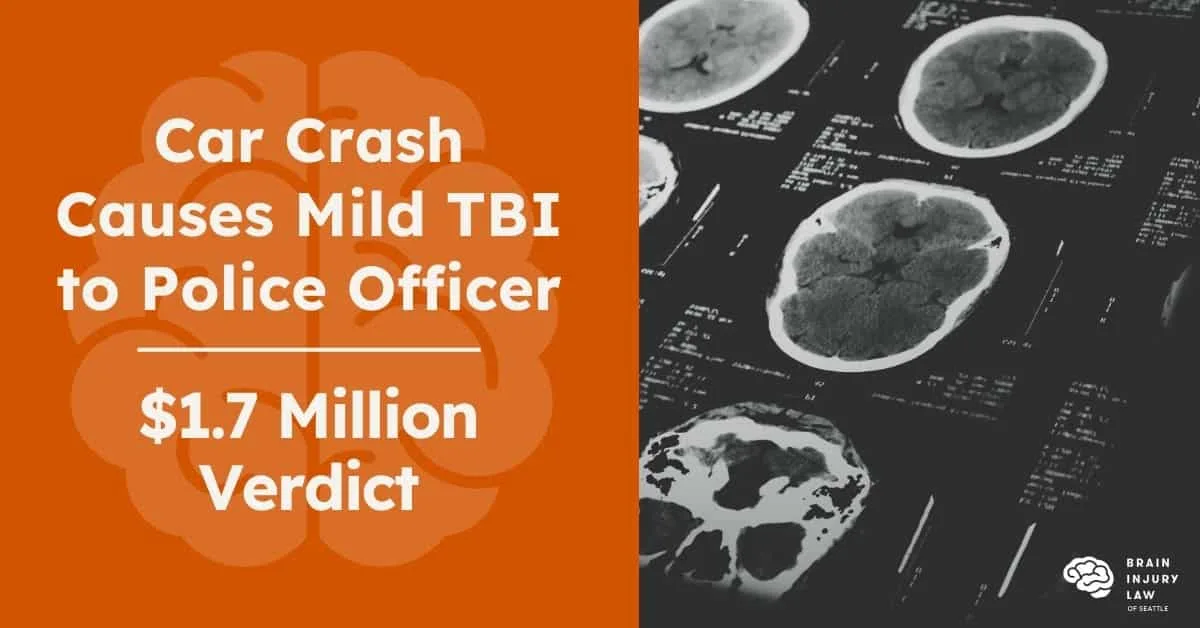
Imaging is useful. A CT scan can show a skull fracture and any bruising, bleeding, or swelling, and an MRI is more sensitive and can pick up subtle changes a CT may miss. Both are worth having.
What neither one can promise is that nothing happened. Federal health authorities state directly that currently available and clinically validated imaging, blood tests, and other measures cannot always detect damage from mild concussive injuries. A normal result rules out some of the most dangerous findings. It does not rule out a brain injury.
This matters because “your scan was normal” is often the first thing an insurer says and the last thing a frightened person wants to argue with. If something still does not feel right, that instinct deserves attention. Neuropsychological testing, evaluation by clinicians who treat brain injury regularly, and, in some cases, advanced research imaging can sometimes reveal what a routine scan missed. It is also worth reviewing the range of symptoms a brain injury can produce before your next appointment, so you can describe what has changed instead of trying to remember it in the room.
How Delayed Symptoms Affect a Washington Injury Claim
A gap between the crash and the first medical complaint is a common argument an insurer makes against a brain injury claim. The adjuster does not have to prove you were uninjured. The adjuster only has to make the connection look uncertain.
You reduce that risk by building a record. Get evaluated even if you feel functional. Describe every symptom, including the ones about mood, memory, and sleep that feel embarrassing to say out loud. Ask a family member what they have noticed, because a person with a concussion may not recognize or admit that they are having problems.
Timing matters in a second way. Washington requires most personal injury actions to be commenced within three years under RCW 4.16.080(2). When that clock starts is a separate question that turns on the facts of a case, and it is worth asking a lawyer about early rather than waiting to see whether the symptoms resolve.
The medical side comes first. Getting the right treatment with the right people is what recovery depends on, and a well-documented course of care serves your health and your claim at the same time.
When the Person Who Changed Is Someone You Love
Brain injuries are sometimes noticed first by a spouse, a parent, or an adult child. The injured person may not recognize that anything is different or may recognize it and be too frightened to say so. Family members are often the ones who notice the missed appointments, the short temper, and the sentences that trail off.
If you are the person keeping track of appointments and paperwork for someone else, you are allowed to ask questions on their behalf. Write down what you observe and the date you observed it. Dated notes from the people who live alongside an injury are far easier to rely on later than a memory reconstructed a year afterward.
Talk With a Washington Brain Injury Lawyer
If symptoms showed up days or weeks after your crash, it is worth a conversation. Contact Brain Injury Law of Seattle for a free consultation. You will not pay attorneys’ fees unless we recover for you. We serve Seattle and King County from offices in Edmonds, Snoqualmie, and Yakima, and we can meet you at home when travel is difficult. Se habla español.