Recreation accidents can result in serious injuries, including traumatic brain injuries, spinal cord injuries, fractures, and other life-changing conditions. If you or a loved one was injured during a recreational activity because of unsafe conditions, defective equipment, inadequate supervision, or another party’s negligence, you may have a legal claim. Our Seattle recreation accident lawyers help injury victims and families pursue compensation throughout Washington.

Why Hire Brain Injury Law of Seattle?

A recreational activity is supposed to be enjoyable. When a serious accident occurs, the focus quickly shifts from recreation to medical treatment, recovery, and uncertainty about the future. Many injured individuals face weeks or months of rehabilitation, while family members often step in to provide support and coordinate care.

At Brain Injury Law of Seattle, we help clients and families navigate the challenges that follow serious recreation-related injuries by:

  • Focusing on traumatic brain injuries and other catastrophic injuries with long-term consequences.
  • Helping connect clients with medical specialists, rehabilitation providers, and other professionals involved in recovery.
  • Investigating the circumstances of the accident and identifying potentially responsible parties.
  • Working with medical experts to understand the full impact of an injury.
  • Building claims that account for future treatment needs, lost earning capacity, and ongoing care.
  • Preparing every case with the evidence necessary to support a strong claim.

Whether you were injured yourself or are helping a loved one through recovery, we are here to provide guidance and support.

What Is a Recreation Accident?

A recreation accident is an injury that occurs while participating in a recreational or leisure activity. While some accidents result from the inherent risks of an activity, others occur because someone failed to take reasonable steps to protect participants from preventable harm.

Recreation accidents can occur during activities such as:

  • Skiing and snowboarding
  • Boating and water sports
  • Jet skiing
  • ATV and off-road vehicle riding
  • Guided hiking or outdoor excursions
  • Zipline and adventure park activities
  • Organized recreational events

The circumstances surrounding the accident often determine whether another party may be held legally responsible.

What Injuries Are Common in Recreation Accidents?

Recreation accidents frequently involve high speeds, uneven terrain, water hazards, elevated platforms, or collisions with other participants. As a result, the injuries can be severe.

Traumatic Brain Injuries

Traumatic brain injuries are among the most serious consequences of recreation accidents. A fall, collision, or impact to the head can lead to a concussion or more severe brain injury that affects memory, concentration, mood, and overall cognitive function.

Concussions

Many people assume a concussion is a minor injury. In reality, concussion symptoms can persist for weeks, months, or longer and may interfere with work, school, and daily activities.

Spinal Cord and Neck Injuries

Serious impacts can damage the spine and surrounding structures, resulting in chronic pain, reduced mobility, or permanent disability.

Fractures and Orthopedic Injuries

Broken bones, joint injuries, and ligament damage are common in recreational accidents and may require surgery or extensive rehabilitation.

Drowning-Related Brain Injuries

Near-drowning incidents can deprive the brain of oxygen and result in significant neurological damage, even when the individual survives the event.

Who May Be Liable for a Recreation Accident?

Determining liability often requires a careful review of how the accident occurred. Potentially responsible parties may include:

  • Property owners
  • Recreation facility operators
  • Tour guides and activity organizers
  • Equipment rental companies
  • Manufacturers of defective equipment
  • Other participants whose negligence contributed to the accident

The facts of each case are unique, which is why a thorough investigation is often necessary.

Why Liability Is Often More Complicated Than People Expect

Many recreational activities require participants to sign liability waivers before taking part. While these documents may affect certain claims, they do not automatically prevent injured individuals from pursuing compensation.

For example, a waiver may not protect a business or operator that acted negligently, failed to maintain safe conditions, ignored known hazards, or provided defective equipment. Questions involving liability waivers, assumption of risk, and negligence are often more complex than they initially appear.

Determining whether you have a viable claim requires evaluating the specific circumstances surrounding the accident.

What Compensation May Be Available After a Recreation Accident?

We will work tirelessly to help you obtain just compensation for:

  • Medical expenses
  • Rehabilitation and therapy costs
  • Lost wages
  • Reduced earning capacity
  • Pain and suffering
  • Other injury-related losses

When a recreation accident results in a traumatic brain injury, spinal cord injury, or another catastrophic condition, future losses often become a significant part of the claim. Ongoing medical treatment, rehabilitation, assistive devices, and long-term care needs can create substantial financial burdens that should be considered when evaluating compensation.

Talk With Our Seattle Recreation Accident Lawyer

A serious recreation accident can affect your health, finances, and future in ways you never expected. In many cases, family members are the ones seeking answers while helping an injured loved one navigate recovery.

If you or someone you care about suffered a serious injury during a recreational activity, contact Brain Injury Law of Seattle to consult with an experienced brain injury lawyer.
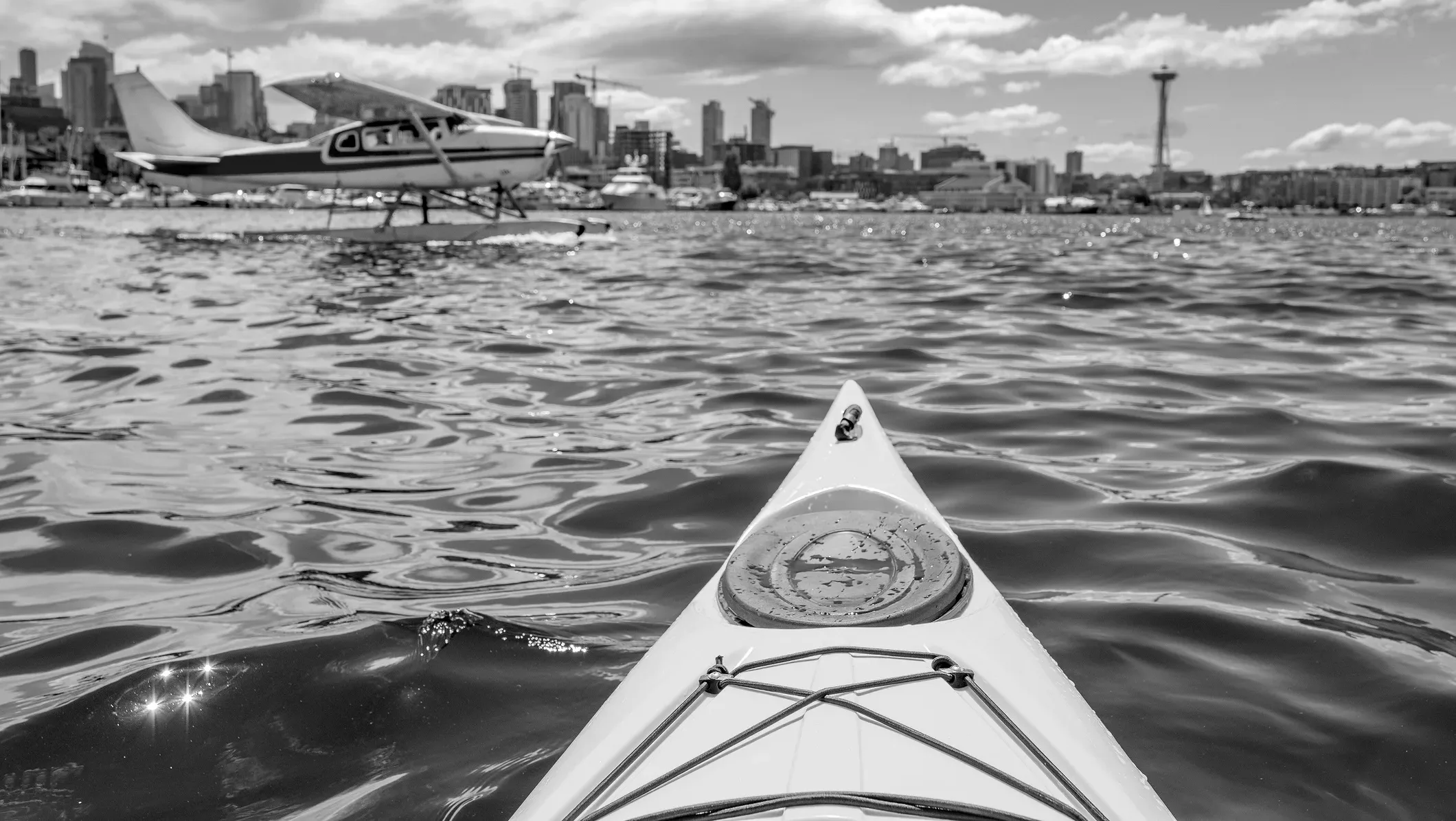
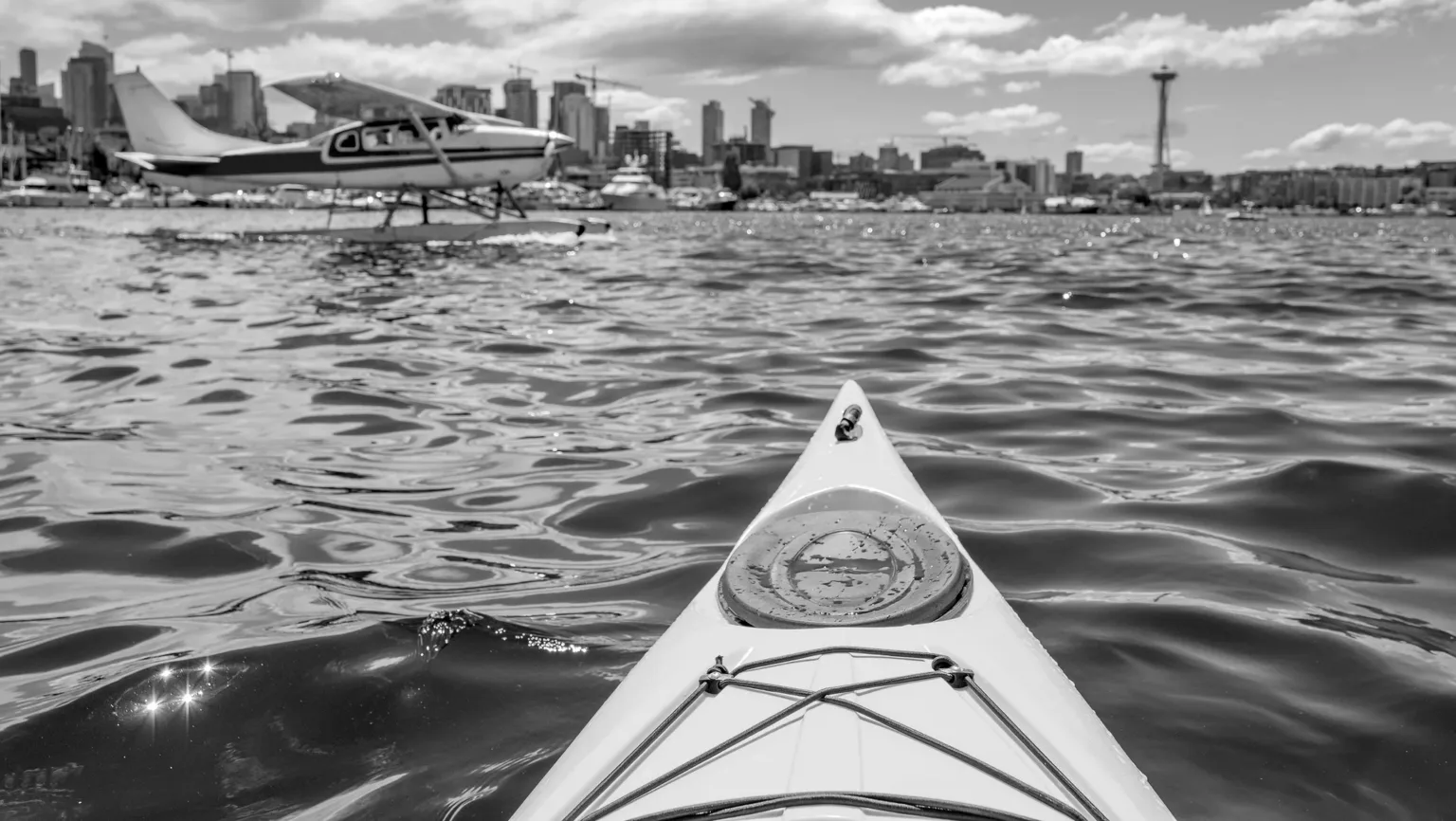
kayak recreation in Seattle
Recreation Accidents

Recreation accidents can result in serious injuries, including traumatic brain injuries, spinal cord injuries, fractures, and other life-changing conditions. If you or a loved one was injured during a recreational activity because of unsafe conditions, defective equipment, inadequate supervision, or another party’s negligence, you may have a legal claim. Our Seattle recreation accident lawyers help injury victims and families pursue compensation throughout Washington.

Why Hire Brain Injury Law of Seattle?

A recreational activity is supposed to be enjoyable. When a serious accident occurs, the focus quickly shifts from recreation to medical treatment, recovery, and uncertainty about the future. Many injured individuals face weeks or months of rehabilitation, while family members often step in to provide support and coordinate care.

At Brain Injury Law of Seattle, we help clients and families navigate the challenges that follow serious recreation-related injuries by:

  • Focusing on traumatic brain injuries and other catastrophic injuries with long-term consequences.
  • Helping connect clients with medical specialists, rehabilitation providers, and other professionals involved in recovery.
  • Investigating the circumstances of the accident and identifying potentially responsible parties.
  • Working with medical experts to understand the full impact of an injury.
  • Building claims that account for future treatment needs, lost earning capacity, and ongoing care.
  • Preparing every case with the evidence necessary to support a strong claim.

Whether you were injured yourself or are helping a loved one through recovery, we are here to provide guidance and support.

What Is a Recreation Accident?

A recreation accident is an injury that occurs while participating in a recreational or leisure activity. While some accidents result from the inherent risks of an activity, others occur because someone failed to take reasonable steps to protect participants from preventable harm.

Recreation accidents can occur during activities such as:

  • Skiing and snowboarding
  • Boating and water sports
  • Jet skiing
  • ATV and off-road vehicle riding
  • Guided hiking or outdoor excursions
  • Zipline and adventure park activities
  • Organized recreational events

The circumstances surrounding the accident often determine whether another party may be held legally responsible.

What Injuries Are Common in Recreation Accidents?

Recreation accidents frequently involve high speeds, uneven terrain, water hazards, elevated platforms, or collisions with other participants. As a result, the injuries can be severe.

Traumatic Brain Injuries

Traumatic brain injuries are among the most serious consequences of recreation accidents. A fall, collision, or impact to the head can lead to a concussion or more severe brain injury that affects memory, concentration, mood, and overall cognitive function.

Concussions

Many people assume a concussion is a minor injury. In reality, concussion symptoms can persist for weeks, months, or longer and may interfere with work, school, and daily activities.

Spinal Cord and Neck Injuries

Serious impacts can damage the spine and surrounding structures, resulting in chronic pain, reduced mobility, or permanent disability.

Fractures and Orthopedic Injuries

Broken bones, joint injuries, and ligament damage are common in recreational accidents and may require surgery or extensive rehabilitation.

Drowning-Related Brain Injuries

Near-drowning incidents can deprive the brain of oxygen and result in significant neurological damage, even when the individual survives the event.

Who May Be Liable for a Recreation Accident?

Determining liability often requires a careful review of how the accident occurred. Potentially responsible parties may include:

  • Property owners
  • Recreation facility operators
  • Tour guides and activity organizers
  • Equipment rental companies
  • Manufacturers of defective equipment
  • Other participants whose negligence contributed to the accident

The facts of each case are unique, which is why a thorough investigation is often necessary.

Why Liability Is Often More Complicated Than People Expect

Many recreational activities require participants to sign liability waivers before taking part. While these documents may affect certain claims, they do not automatically prevent injured individuals from pursuing compensation.

For example, a waiver may not protect a business or operator that acted negligently, failed to maintain safe conditions, ignored known hazards, or provided defective equipment. Questions involving liability waivers, assumption of risk, and negligence are often more complex than they initially appear.

Determining whether you have a viable claim requires evaluating the specific circumstances surrounding the accident.

What Compensation May Be Available After a Recreation Accident?

We will work tirelessly to help you obtain just compensation for:

  • Medical expenses
  • Rehabilitation and therapy costs
  • Lost wages
  • Reduced earning capacity
  • Pain and suffering
  • Other injury-related losses

When a recreation accident results in a traumatic brain injury, spinal cord injury, or another catastrophic condition, future losses often become a significant part of the claim. Ongoing medical treatment, rehabilitation, assistive devices, and long-term care needs can create substantial financial burdens that should be considered when evaluating compensation.

Talk With Our Seattle Recreation Accident Lawyer

A serious recreation accident can affect your health, finances, and future in ways you never expected. In many cases, family members are the ones seeking answers while helping an injured loved one navigate recovery.

If you or someone you care about suffered a serious injury during a recreational activity, contact Brain Injury Law of Seattle to consult with an experienced brain injury lawyer.
Frequently Asked Questions

Can I sue if I signed a liability waiver?

Possibly. Liability waivers do not automatically eliminate every legal claim. Depending on the circumstances, you may still have a claim if negligence, unsafe conditions, or defective equipment contributed to the accident.

What should I do after a recreational accident?

Seek medical attention as soon as possible, document the incident, preserve any evidence, and report the accident to the appropriate party. Prompt medical evaluation is particularly important when a head injury is suspected.

Who is responsible for an injury during a guided activity?

Liability depends on the facts of the case. A tour operator, guide, property owner, equipment provider, or another party may be responsible if negligence contributed to the accident.

Can a concussion from a recreational accident lead to a legal claim?

Yes. If a concussion or other brain injury was caused by another party’s negligence, compensation may be available for medical expenses, lost income, and other related losses.