Preserving the helmet is one of the most important steps you can take to protect a claim.

A helmet is the one piece of equipment standing between your skull and the pavement, and when it fails, the consequences are often catastrophic. A defective helmet injury claim is a product liability case against the company that designed, made, or sold a helmet that did not perform the way a reasonably safe helmet should. At Brain Injury Law of Seattle, our Seattle catastrophic injury attorneys investigate how the helmet failed, work with engineering and medical experts, and pursue full compensation from every responsible manufacturer and seller so you can focus on recovery.

Why Choose Brain Injury Law of Seattle

When a defective product causes a brain injury, you need a firm that understands both the science of head trauma and the law that governs product claims. Brain Injury Law of Seattle was built around exactly these cases.

  • Founded by Scott Blair, a recognized pioneer in brain injury law with more than 25 years of experience
  • One of the few Washington firms focused specifically on traumatic brain injury and other catastrophic injuries, with the science background defective-product claims demand
  • Advanced neuroimaging, including Diffusion Tensor Imaging and Arterial Spin Labeling, to document brain injuries that standard CT scans and MRIs often miss
  • A team that collaborates with neurologists, rehabilitation specialists, and neuropsychologists to prove both your current losses and future care needs
  • Every case prepared for trial to level the playing field with insurance companies
  • A track record of multimillion-dollar verdicts and settlements for seriously injured clients
  • Hands-on investigation that preserves the helmet itself and works with engineering and medical experts to prove how it failed and what that failure cost you

Our goal is to take the burden of the claim off your shoulders while you and your family concentrate on healing. We handle the investigation, the experts, and the insurance company so you don’t have to.

What Is a Defective Helmet Injury Claim in Washington?

A defective helmet injury claim is a product liability case brought when a helmet fails to provide the protection it was designed to give and a person is harmed as a result. In Washington, these claims fall under the Washington Product Liability Act, the primary body of law governing harm caused by a product’s manufacture, design, warnings, or instructions. 

Helmets are marketed and certified to reduce the risk of head and brain injuries. When one cracks, shatters, or transmits force it should have absorbed, the company behind it may be responsible for the injuries that follow.

How Does Washington Law Hold Helmet Manufacturers Liable?

Washington law holds a helmet manufacturer liable when the helmet was not reasonably safe and that failure caused your injury. Under Washington’s product liability statute, a manufacturer can be responsible in several ways:

  • Design defect: The helmet was not reasonably safe as designed, meaning a safer and feasible design would have prevented or reduced the injury
  • Manufacturing defect: The helmet left the factory in a condition that deviated from its intended design or from other units on the same line, such as a flawed shell or an improperly bonded liner
  • Failure to warn: The manufacturer did not provide adequate warnings or instructions, for example about proper fit, the need to replace a helmet after an impact, or the limits of its protection

A retailer, distributor, or other seller can also be liable in certain situations. For example, when no solvent manufacturer is available to answer for the defect, when the helmet is sold under the seller’s own brand name, or when the seller’s plans or specifications contributed to the defect. Identifying every responsible party is often the difference between a partial recovery and a full one.

What Types of Helmets Lead to Defect Claims?

A defective helmet claim can involve any helmet that is supposed to protect the head from impact. We see potential claims involving:

  • Bicycle helmets that crack, split, or fail on a single foreseeable impact
  • Motorcycle helmets with defective shells, liners, or retention straps
  • Football, hockey, lacrosse, and other sports helmets
  • Construction and industrial hard hats
  • Ski and snowboard helmets
  • Equestrian and other recreational helmets

Whatever the helmet, the central question is the same. Did a defect keep it from doing the job it was sold to do?

What Compensation Can You Recover in a Defective Helmet Case?

If a defective helmet caused your brain injury, you may be entitled to compensation for the full range of losses the injury creates, both now and in the future. Recoverable economic and non-economic damages can include:

  • Past and future medical bills, including surgery, rehabilitation, and cognitive therapy
  • Lost wages and reduced earning capacity
  • In-home care or long-term nursing care
  • Pain, suffering, and mental anguish
  • Loss of quality of life
  • Home or vehicle modifications required by a disability

Because traumatic brain injuries can produce symptoms that last for years, valuing a claim correctly means accounting for future care, not just the bills already in hand. A thorough evaluation should reflect not only the immediate impact of the injury but also the long-term medical, financial, and personal consequences it is likely to impose, an analysis our legal team supports through detailed evidence review and consultation with medical and economic experts.

How Long Do You Have to File a Defective Helmet Claim in Washington?

In Washington, you generally have three years to file a product liability claim, measured from the date you discovered, or in the exercise of reasonable diligence should have discovered, both the harm and its cause. This discovery rule matters in brain injury cases, where the link between a helmet’s failure and a cognitive injury is not always obvious right away. 

Washington also applies a useful safe life rule. If the harm occurred more than twelve years after the helmet was first delivered to its owner, the law presumes the harm happened after the product’s useful safe life had expired. However, that presumption can be challenged with evidence. Because these deadlines can be affected by tolling and by the facts of your case, it is best to speak with an attorney as early as possible.

What If You Were Partly at Fault?

Being partly at fault does not bar you from recovering in Washington. The state follows a pure comparative fault rule. Under Washington’s comparative fault law, your own share of fault reduces your compensation in proportion to that share, but it does not eliminate your right to recover. 

In defective helmet cases, manufacturers often argue that you misused the helmet, wore it incorrectly, or modified it. Even if some fault is assigned to you, you can still pursue compensation for the portion of your harm attributable to the defective product. An experienced attorney can push back on inflated fault arguments and protect the value of your claim.

How Do You Prove a Helmet Was Defective?

Proving a helmet defect starts with preserving the helmet itself. Do not throw it away, repair it, or return it to the manufacturer. From there, building the case usually involves:

  • Preserving the helmet, its packaging, receipts, and any manuals or warnings
  • Documenting the crash and your injuries through medical records and photographs
  • Retaining engineering experts to test the helmet and compare it to its design and applicable safety standards
  • Working with medical experts to connect the helmet’s failure to your specific brain injury

Brain Injury Law of Seattle manages this investigation for you, coordinating the experts and evidence needed to show how and why the helmet failed.

Talk to Our Seattle Defective Helmet Injury Lawyer Today

If a helmet failed to protect you or someone you love, you should not have to absorb the cost of another company’s defective product. Contact Brain Injury Law of Seattle today to schedule a free consultation, and let us review the helmet, explain your options, and tell you honestly what you are facing. You pay no attorney fees until we recover for you. Se habla español.
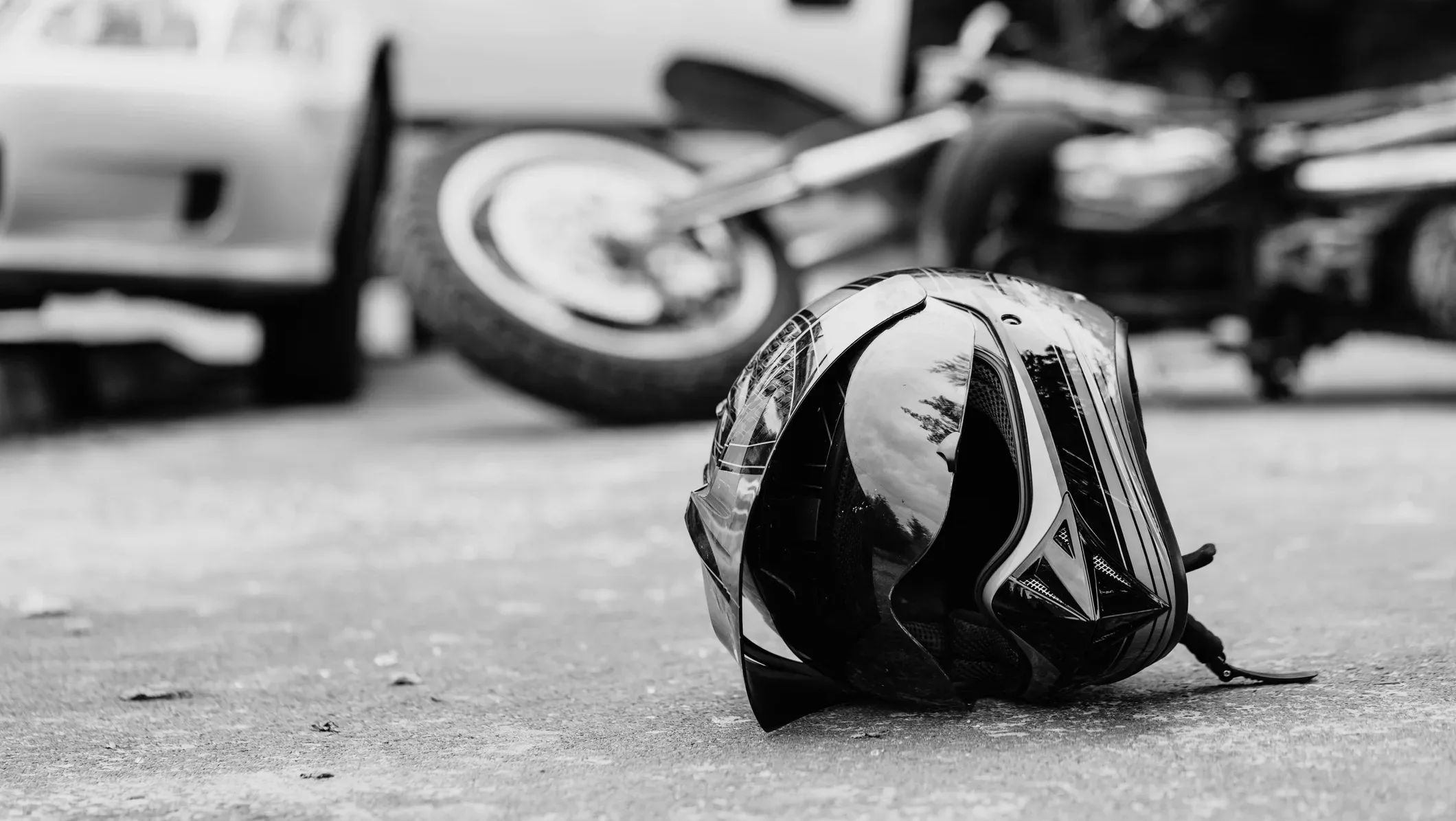
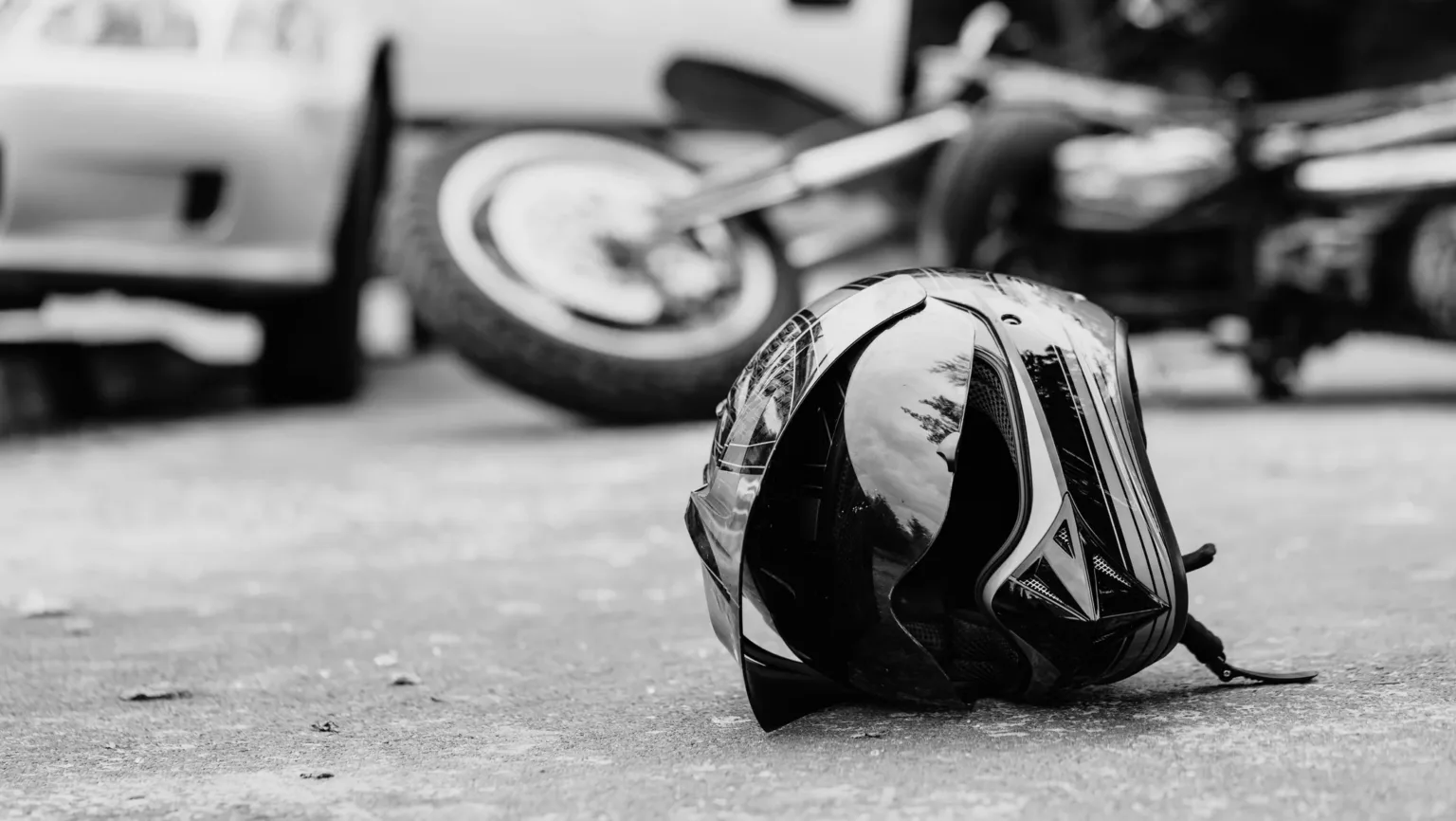
motorcycle helmet on ground
Defective Helmets
Preserving the helmet is one of the most important steps you can take to protect a claim.

A helmet is the one piece of equipment standing between your skull and the pavement, and when it fails, the consequences are often catastrophic. A defective helmet injury claim is a product liability case against the company that designed, made, or sold a helmet that did not perform the way a reasonably safe helmet should. At Brain Injury Law of Seattle, our Seattle catastrophic injury attorneys investigate how the helmet failed, work with engineering and medical experts, and pursue full compensation from every responsible manufacturer and seller so you can focus on recovery.

Why Choose Brain Injury Law of Seattle

When a defective product causes a brain injury, you need a firm that understands both the science of head trauma and the law that governs product claims. Brain Injury Law of Seattle was built around exactly these cases.

  • Founded by Scott Blair, a recognized pioneer in brain injury law with more than 25 years of experience
  • One of the few Washington firms focused specifically on traumatic brain injury and other catastrophic injuries, with the science background defective-product claims demand
  • Advanced neuroimaging, including Diffusion Tensor Imaging and Arterial Spin Labeling, to document brain injuries that standard CT scans and MRIs often miss
  • A team that collaborates with neurologists, rehabilitation specialists, and neuropsychologists to prove both your current losses and future care needs
  • Every case prepared for trial to level the playing field with insurance companies
  • A track record of multimillion-dollar verdicts and settlements for seriously injured clients
  • Hands-on investigation that preserves the helmet itself and works with engineering and medical experts to prove how it failed and what that failure cost you

Our goal is to take the burden of the claim off your shoulders while you and your family concentrate on healing. We handle the investigation, the experts, and the insurance company so you don’t have to.

What Is a Defective Helmet Injury Claim in Washington?

A defective helmet injury claim is a product liability case brought when a helmet fails to provide the protection it was designed to give and a person is harmed as a result. In Washington, these claims fall under the Washington Product Liability Act, the primary body of law governing harm caused by a product’s manufacture, design, warnings, or instructions. 

Helmets are marketed and certified to reduce the risk of head and brain injuries. When one cracks, shatters, or transmits force it should have absorbed, the company behind it may be responsible for the injuries that follow.

How Does Washington Law Hold Helmet Manufacturers Liable?

Washington law holds a helmet manufacturer liable when the helmet was not reasonably safe and that failure caused your injury. Under Washington’s product liability statute, a manufacturer can be responsible in several ways:

  • Design defect: The helmet was not reasonably safe as designed, meaning a safer and feasible design would have prevented or reduced the injury
  • Manufacturing defect: The helmet left the factory in a condition that deviated from its intended design or from other units on the same line, such as a flawed shell or an improperly bonded liner
  • Failure to warn: The manufacturer did not provide adequate warnings or instructions, for example about proper fit, the need to replace a helmet after an impact, or the limits of its protection

A retailer, distributor, or other seller can also be liable in certain situations. For example, when no solvent manufacturer is available to answer for the defect, when the helmet is sold under the seller’s own brand name, or when the seller’s plans or specifications contributed to the defect. Identifying every responsible party is often the difference between a partial recovery and a full one.

What Types of Helmets Lead to Defect Claims?

A defective helmet claim can involve any helmet that is supposed to protect the head from impact. We see potential claims involving:

  • Bicycle helmets that crack, split, or fail on a single foreseeable impact
  • Motorcycle helmets with defective shells, liners, or retention straps
  • Football, hockey, lacrosse, and other sports helmets
  • Construction and industrial hard hats
  • Ski and snowboard helmets
  • Equestrian and other recreational helmets

Whatever the helmet, the central question is the same. Did a defect keep it from doing the job it was sold to do?

What Compensation Can You Recover in a Defective Helmet Case?

If a defective helmet caused your brain injury, you may be entitled to compensation for the full range of losses the injury creates, both now and in the future. Recoverable economic and non-economic damages can include:

  • Past and future medical bills, including surgery, rehabilitation, and cognitive therapy
  • Lost wages and reduced earning capacity
  • In-home care or long-term nursing care
  • Pain, suffering, and mental anguish
  • Loss of quality of life
  • Home or vehicle modifications required by a disability

Because traumatic brain injuries can produce symptoms that last for years, valuing a claim correctly means accounting for future care, not just the bills already in hand. A thorough evaluation should reflect not only the immediate impact of the injury but also the long-term medical, financial, and personal consequences it is likely to impose, an analysis our legal team supports through detailed evidence review and consultation with medical and economic experts.

How Long Do You Have to File a Defective Helmet Claim in Washington?

In Washington, you generally have three years to file a product liability claim, measured from the date you discovered, or in the exercise of reasonable diligence should have discovered, both the harm and its cause. This discovery rule matters in brain injury cases, where the link between a helmet’s failure and a cognitive injury is not always obvious right away. 

Washington also applies a useful safe life rule. If the harm occurred more than twelve years after the helmet was first delivered to its owner, the law presumes the harm happened after the product’s useful safe life had expired. However, that presumption can be challenged with evidence. Because these deadlines can be affected by tolling and by the facts of your case, it is best to speak with an attorney as early as possible.

What If You Were Partly at Fault?

Being partly at fault does not bar you from recovering in Washington. The state follows a pure comparative fault rule. Under Washington’s comparative fault law, your own share of fault reduces your compensation in proportion to that share, but it does not eliminate your right to recover. 

In defective helmet cases, manufacturers often argue that you misused the helmet, wore it incorrectly, or modified it. Even if some fault is assigned to you, you can still pursue compensation for the portion of your harm attributable to the defective product. An experienced attorney can push back on inflated fault arguments and protect the value of your claim.

How Do You Prove a Helmet Was Defective?

Proving a helmet defect starts with preserving the helmet itself. Do not throw it away, repair it, or return it to the manufacturer. From there, building the case usually involves:

  • Preserving the helmet, its packaging, receipts, and any manuals or warnings
  • Documenting the crash and your injuries through medical records and photographs
  • Retaining engineering experts to test the helmet and compare it to its design and applicable safety standards
  • Working with medical experts to connect the helmet’s failure to your specific brain injury

Brain Injury Law of Seattle manages this investigation for you, coordinating the experts and evidence needed to show how and why the helmet failed.

Talk to Our Seattle Defective Helmet Injury Lawyer Today

If a helmet failed to protect you or someone you love, you should not have to absorb the cost of another company’s defective product. Contact Brain Injury Law of Seattle today to schedule a free consultation, and let us review the helmet, explain your options, and tell you honestly what you are facing. You pay no attorney fees until we recover for you. Se habla español.

Frequently Asked Questions

Can I still have a claim if I wore the helmet correctly and was still hurt?

Yes. A properly worn helmet that still allows a serious brain injury may itself be evidence of a defect. The question is whether the helmet performed the way a reasonably safe helmet should have. If it did not, the manufacturer may be liable even though you used it as intended.

What should I do with my helmet after a crash?

Keep it, and change nothing about it. The helmet is often the single most important piece of evidence in a defect claim. Store it somewhere safe, handle it as little as possible, and do not return it to the seller or manufacturer until your attorney has had it examined.

How much does it cost to talk to a defective helmet attorney?

Brain Injury Law of Seattle offers free consultations. You can have your situation reviewed and your questions answered before deciding whether to move forward, at no cost and with no obligation.