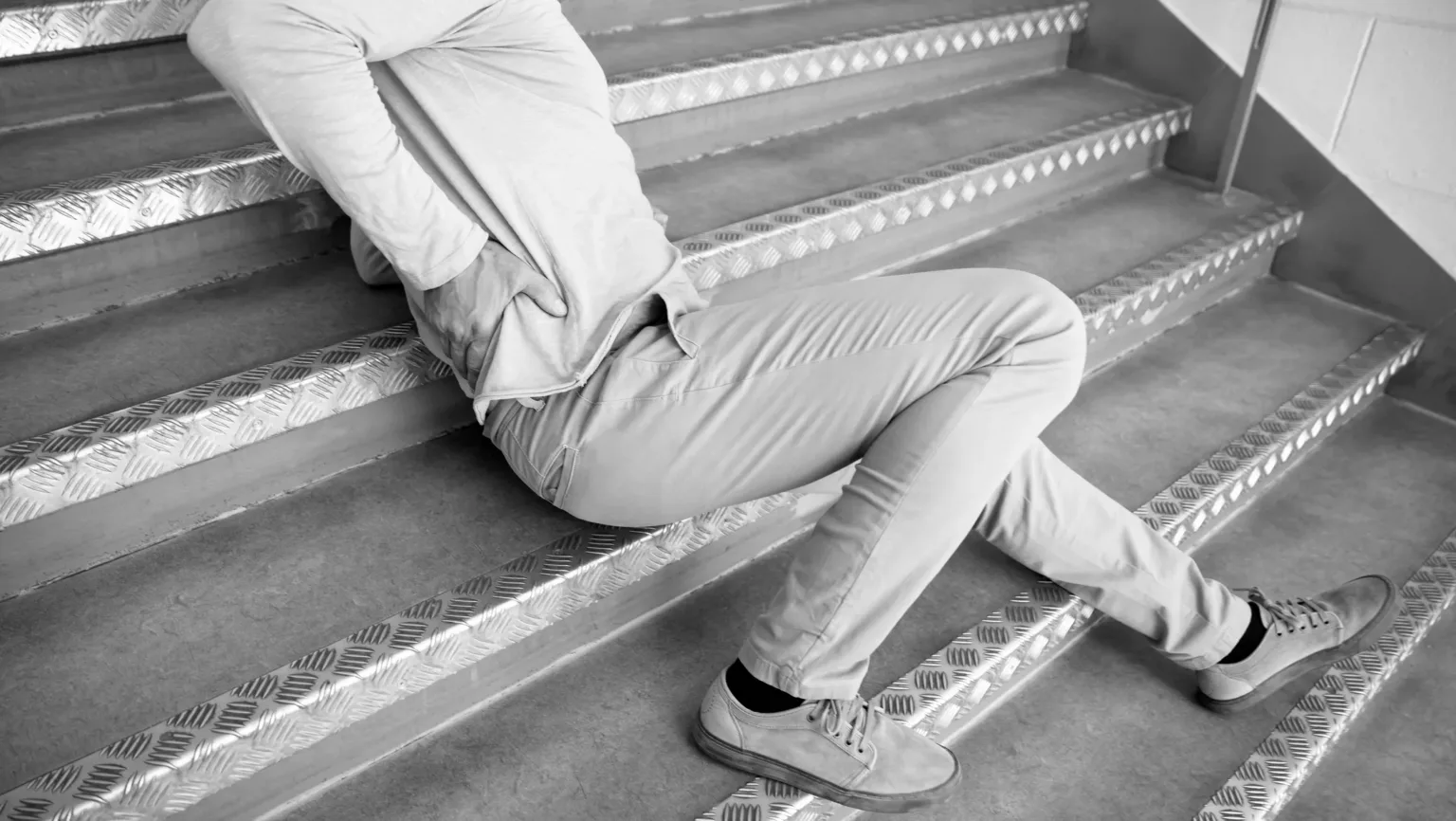
When a property owner ignores a known hazard, the people who get hurt are rarely the ones who can afford it. If you were injured on someone else’s property in Seattle, Brain Injury Law of Seattle helps you hold the responsible party accountable and pursue full compensation, with a focus on the traumatic brain injuries and other catastrophic injuries, such as spinal cord damage, head and neck trauma, and severe fractures, that serious falls so often cause. Washington law requires property owners to keep their premises reasonably safe for lawful visitors.
Our Seattle premises liability attorneys investigate how the hazard developed, prove the owner’s negligence, and stand between you and the insurance company so you can focus on recovery.
Why Choose Brain Injury Law of Seattle?
Premises liability claims often turn on a single question: Did the property owner know about the danger and fail to act? Answering it takes investigation, medical insight, and a willingness to go to trial. Our firm brings all three.
- Founded by Scott Blair, a recognized pioneer in brain injury law with more than 25 years of experience
- One of the few Washington firms focused specifically on traumatic brain injury and other catastrophic injuries, including spinal cord, head, and neck trauma
- Advanced neuroimaging, including Diffusion Tensor Imaging and Arterial Spin Labeling, to document brain injuries that standard CT scans and MRIs often miss
- A team that collaborates with neurologists, rehabilitation specialists, and neuropsychologists to prove both your current losses and future care needs
- Every case prepared for trial to level the playing field with insurance companies
- A track record of multimillion-dollar verdicts and settlements for seriously injured clients
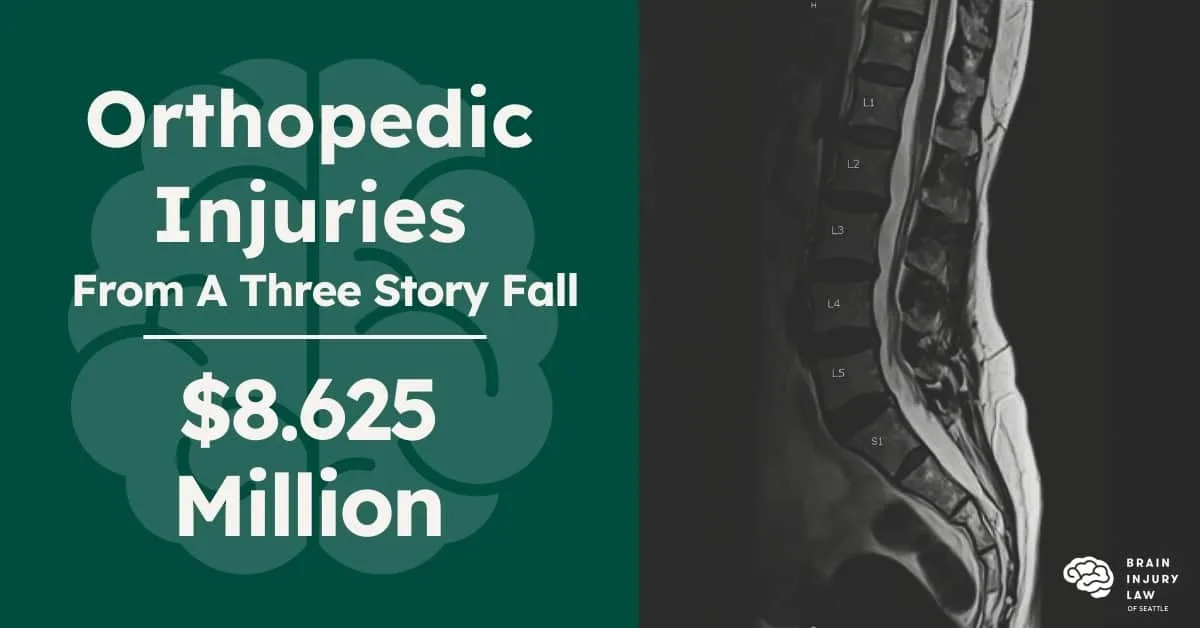
- A record of significant results, including an $8.625 million recovery for a young woman who fell through a defective deck railing
Every case is different, and past results never guarantee a future outcome. What we promise is straight answers and a team that treats your recovery as the priority.
What Is Premises Liability in Washington State?
Premises liability is the area of law that holds property owners responsible when unsafe conditions cause injury. Under Washington law, owners and occupiers must keep their property reasonably safe for people who are lawfully present and warn of hazards they know about or should have discovered.
The care an owner owes depends on why you were there. Washington courts generally sort visitors into categories:
- An invitee, such as a store customer, is owed the highest duty, including reasonable inspection for hidden dangers.
- A licensee, such as a social guest, is owed a duty to be warned of known hazards.
- A trespasser is owed the least protection, though special rules can apply when children are drawn onto property by something dangerous, like an unfenced pool.
If a property owner fails to meet these duties and someone is injured as a result, they may be held legally liable for the harm caused. Understanding how these categories apply to your situation is key to determining whether you have a valid premises liability claim under Washington law.
What Types of Premises Liability Cases Do We Handle?
Premises liability covers far more than a wet floor in a grocery aisle. Dangerous conditions cause life-altering injuries in many settings, and we handle the full range, including:
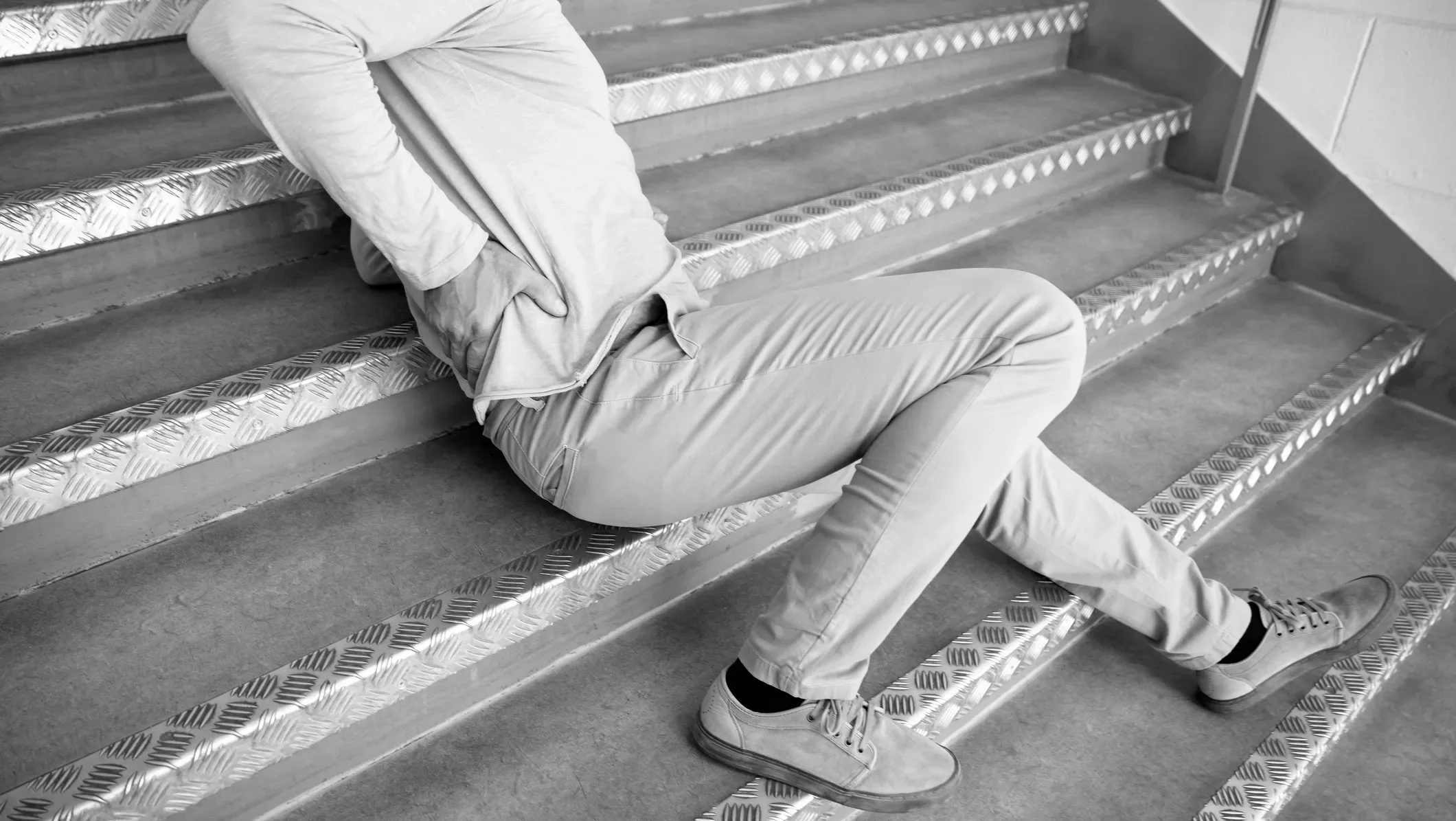
- Slip, trip, and fall accidents caused by wet floors, uneven surfaces, or poor lighting
- Snow and ice hazards on walkways, entrances, and parking areas
- Inadequate security that allows assaults at apartment complexes, hotels, and parking garages
- Swimming pool and drowning incidents, often involving unsecured gates or missing fencing
- Dog bites and animal attacks
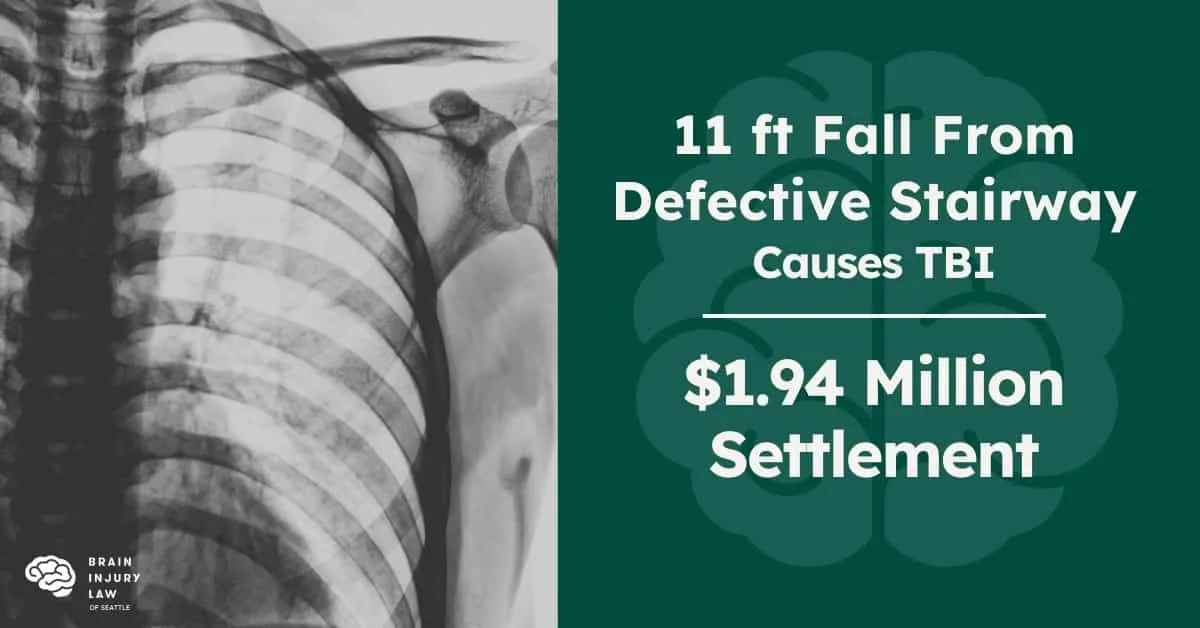
- Falling objects, collapsing stairs, and defective railings or decks
- Exposure to dangerous and hazardous substances
Falls are a leading cause of traumatic brain and spinal cord injuries, which is why we pair legal strategy with medical understanding. We also handle slip and fall claims and catastrophic injury cases that grow out of unsafe property conditions.
Who Can Be Held Liable for Your Injuries?
Responsibility is not limited to whoever holds the title to the property. Depending on the circumstances, liable parties can include, but are not limited to:
- Property owners
- Landlords
- Tenants who control the space
- Property management companies
- Businesses that lease a storefront
- Contractors hired to maintain the property
- Government agencies
Injuries on public property follow a stricter path. If a city, county, or other local government failed to maintain a sidewalk, stairway, or public building, Washington law requires you to file a formal written claim and wait sixty days before suing. The claim must follow specific rules, and missing this step can end an otherwise valid case, which is one reason early legal guidance matters.
How Does Washington’s Comparative Negligence Rule Affect Your Claim?
Being partly at fault does not bar you from recovering compensation in Washington. The state follows a pure comparative negligence rule, so your damages are reduced by your percentage of fault rather than eliminated. For example, if a jury finds your total losses are $200,000 and that you were 20 percent responsible, you can still recover $160,000.
Insurance companies know this rule and often try to pin extra blame on injured visitors to shrink what they owe. An attorney who documents the hazard and the owner’s failure to fix it helps protect your share of the recovery.
How Long Do You Have to File a Premises Liability Claim?
In most Washington premises liability cases, you have three years from the date of your injury to file a lawsuit. Miss that deadline and a court will likely dismiss your case, no matter how strong it is.
Some situations change this timeline. If the injured person is a child, the three-year clock generally does not start until their 18th birthday, which usually gives them until age 21 to file, though a parent or guardian can also bring the claim sooner, and often should, while evidence is fresh. The deadline can also be paused if an injury leaves someone unable to understand or protect their legal rights. And as noted above, claims against a city, county, or state agency require a formal written claim and a sixty-day wait before a lawsuit can be filed.
Because these deadlines are strict and the exceptions are narrow, it is wise to speak with a lawyer soon after an injury.
What to Expect When You Work With Our Firm
From your first call, our goal is to take pressure off you so you can focus on healing. We listen to what happened and explain, in plain language, whether you may have a claim and what it could be worth.
If we move forward together, we handle the investigation, including securing surveillance footage before it is erased, photographing the hazard, interviewing witnesses, and gathering maintenance and inspection records. We focus on proving the owner knew or should have known about the danger, and we work with medical and reconstruction experts to connect that hazard to your injuries. We deal with the insurance company directly, and when an insurer refuses to offer a fair amount, we are prepared to take your case to court.
Talk to Our Seattle Premises Liability Lawyer Today
You do not have to face the insurance company alone or figure out the law on your own. Brain Injury Law of Seattle offers a free consultation to review what happened, explain your options, and tell you honestly where you stand. Contact our team today to get started, and let us carry the legal burden while you focus on getting your life back. You pay no attorney fees until we recover for you. Se habla español.