If you hit your head in a car crash, yes—you should go to the hospital right away. Doctors need to rule out a serious brain injury, including a brain bleed, which can be life-threatening.
Even if the injury turns out to be “just” a concussion or closed head injury, early medical care still matters. A prompt hospital evaluation protects your health, creates clear medical documentation, and can make later treatment far easier.
Key Takeaways
- Go to the hospital immediately after hitting your head in a crash.
- A hospital may perform a CT scan to check for a brain bleed or other serious brain trauma.
- A concussion is still a serious injury, even if there is no brain bleed.
- Waiting too long to seek care can make it harder for a doctor to clearly connect your symptoms to the crash.
- Delayed treatment can also create problems with insurance claims, because insurers may argue the head injury was unrelated.
- Early records help a future neurologist understand your symptoms and recommend proper treatment.
- Tell medical providers every symptom you are having, even if it seems minor.
What Should You Do After Hitting Your Head in a Crash?
After hitting your head in a car accident, the best next step is to get evaluated at a hospital as soon as possible. The goal isn’t just to feel better—it’s to make sure you don’t have a dangerous brain injury that needs immediate treatment.
Timing is critical because some head injuries aren’t obvious right away. You may feel “okay” at first and still have a serious condition developing beneath the surface.
Why Going to the Hospital Matters
Medical safety comes first. Head trauma can cause bleeding in or around the brain, and that can become an emergency within hours. Heading to the hospital immediately after a crash lets doctors rule out serious problems before symptoms escalate.
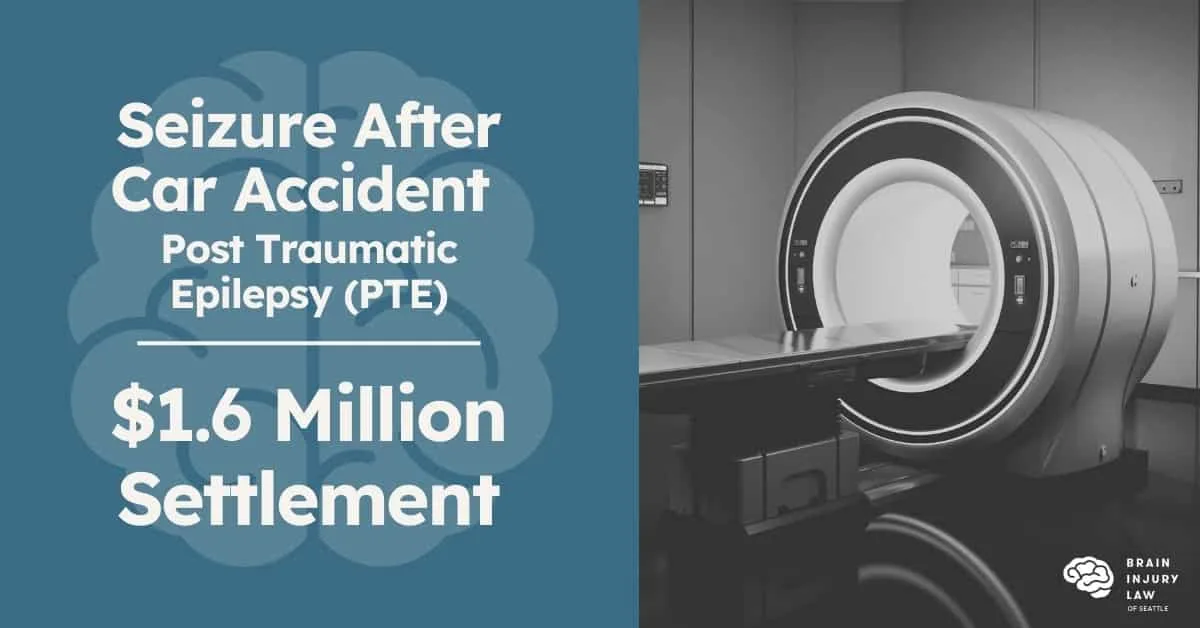
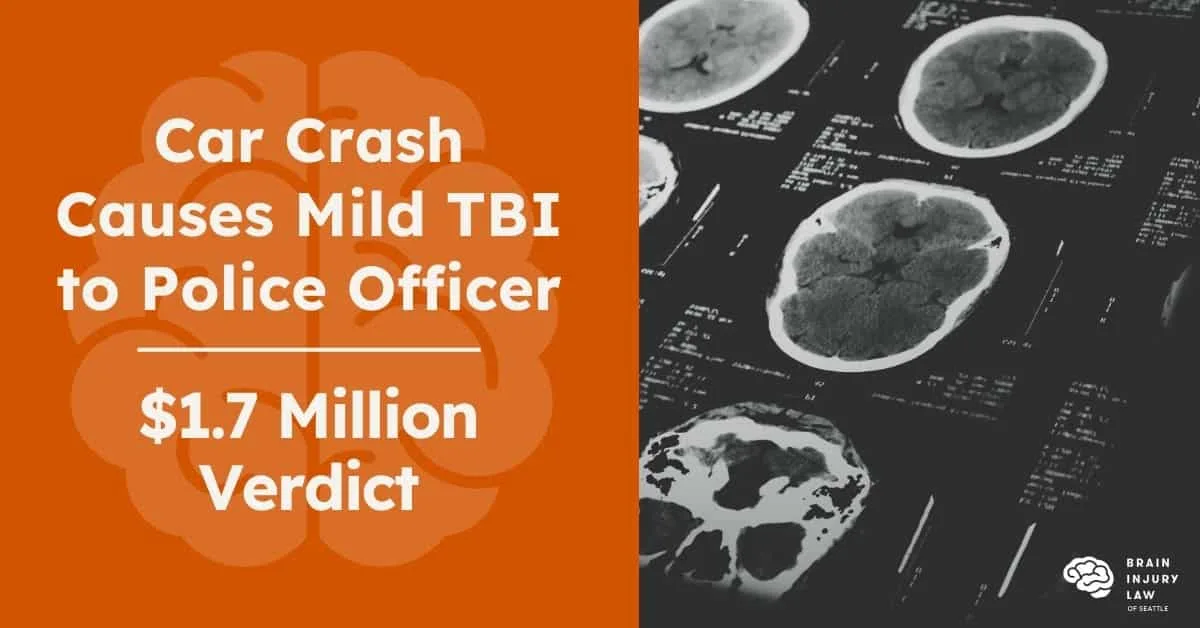
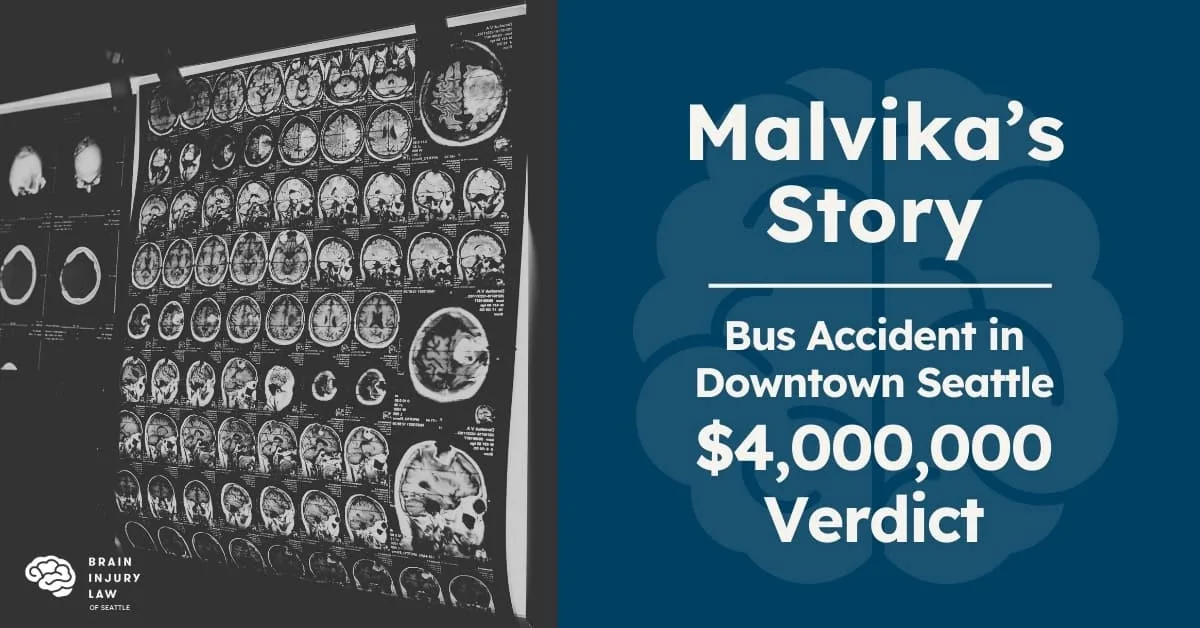
At the hospital, doctors may order imaging—often a CT scan—to look for a brain bleed caused by trauma. Ruling that out is a major step in understanding the severity of the injury.
What a CT Scan Can Help Rule Out
A CT scan is commonly used after a head injury to check for internal bleeding or other dangerous brain problems. A brain bleed can be life-threatening if it isn’t caught quickly, which is why imaging is often the first step in the ER.
When you arrive at the hospital, staff will typically run a CT scan to rule out a brain bleed caused by trauma.
A negative scan doesn’t necessarily mean you’re uninjured. It may simply mean you don’t have the most dangerous type of emergency. You could still have a concussion or closed head injury that requires follow-up care.
A Concussion Is Still Serious
Many people assume that if there’s no brain bleed, they’re fine. That isn’t always true. A concussion can affect memory, concentration, balance, sleep, headaches, and overall daily function.
Even when imaging rules out a more serious brain bleed, a closed head injury or concussion is still a problem you need to take seriously.
A negative CT scan isn’t the end of the story—it’s the beginning of proper diagnosis and treatment.
Why Delaying Medical Care Can Hurt Your Case
If you wait days or weeks to get checked out, a later doctor may have less information about what happened immediately after the crash. That gap can make diagnosis harder.
When patients delay reporting concussion symptoms, a later physician may struggle to diagnose a concussion at all, because the connection to the crash has become harder to establish.
That delay can hurt you in two ways:
- It may weaken the medical connection between the crash and your symptoms
- It may give insurance companies an argument against your claim
Why Early Documentation Matters for Insurance
Insurance companies routinely look for gaps in treatment. If there’s a delay in reporting a head injury, insurers may argue the injury didn’t happen in the crash at all.
Prompt medical evaluation isn’t only important for your health—it’s critical for the official record of your car accident claim. Early documentation can show:
- You hit your head in the crash
- You had symptoms immediately or soon after
- You sought appropriate medical care
- Doctors considered and evaluated a traumatic brain injury
What Symptoms Should You Report?
When you get medical care, report every symptom you’re experiencing. Don’t minimize what happened. Even symptoms that seem minor can help doctors gauge the extent of your injury.
Symptoms to mention include:
- Headache
- Dizziness
- Nausea
- Vomiting
- Confusion
- Blurred vision
- Light sensitivity
- Noise sensitivity
- Memory problems
- Trouble concentrating
- Fatigue
- Sleep changes
- Neck pain
- Balance issues
Reporting every symptom at the hospital makes it far easier for a treating neurologist to later determine the nature and extent of your head injury.
How Early Records Help a Neurologist Later
A neurologist who treats head injuries will often review your earliest medical records to see which symptoms appeared first. That information helps shape the treatment plan.
Early documentation can help a specialist determine:
- Whether your symptoms are consistent with a concussion
- How severe the injury may be
- What testing or referrals you may need
- What treatment should start first
Specialists rely on those initial reports to determine the right course of treatment or whether you need a referral to another expert.
Your ER or hospital visit can shape not only your diagnosis but also the quality of your later care.
Common Mistakes to Avoid After Hitting Your Head
One of the biggest mistakes is assuming you can “wait and see.” Head injuries aren’t something to guess about.
The most common mistakes include:
- Not going to the hospital right away
- Failing to mention all symptoms
- Assuming a concussion is minor
- Waiting too long to follow up with a specialist
- Ignoring symptoms because adrenaline masked them at first
If you only do one thing, do this: get evaluated immediately and document everything.
FAQ
Should I go to the ER if I hit my head in a car accident?
Yes. If you hit your head in a car accident, you should go to the ER or hospital promptly so doctors can rule out a brain bleed or other serious traumatic brain injury.
Can you have a concussion even if a CT scan is normal?
Yes. A normal CT scan may rule out a dangerous brain bleed, but you can still have a concussion or closed head injury that needs treatment and monitoring.
Why is it important to get checked out right away?
Early care protects your health, documents the injury in your medical record, and makes it easier for doctors and specialists to understand what happened.
Can waiting to seek treatment hurt my insurance claim?
Yes. Insurance companies may argue that a delayed diagnosis means the head injury wasn’t caused by the crash. Prompt evaluation creates stronger documentation.
What should I tell the doctor after hitting my head?
Tell the doctor every symptom you have, including headaches, dizziness, confusion, nausea, memory issues, sleep problems, and sensitivity to light or noise.
Next Steps After a Head Injury in a Crash
If you hit your head in a crash, follow this order:
- Go to the hospital or ER immediately
- Get evaluated for serious brain injury
- Follow all discharge instructions
- Report all symptoms clearly and completely
- Schedule follow-up care if symptoms continue
- Keep copies of your medical records
Conclusion
If you’re asking, “Should I go to the hospital after hitting my head in a crash?” the safest and smartest answer is yes. A hospital can rule out a life-threatening brain bleed, identify a concussion, and create the early medical record that doctors and specialists may rely on later.
Just as importantly, early treatment can prevent confusion in your diagnosis and reduce disputes about whether the injury came from the accident. After a head injury, don’t guess. Get checked out immediately and report every symptom.