When someone suffers a serious head injury, the effects can last for the remainder of their life.
One possible result is a condition called post-traumatic encephalomalacia, also known as cerebral softening. This condition involves the loss or destruction of brain tissue following a brain injury. For patients and families, education and understanding about what this disease entails is key to managing both medical treatment and the many possible long-term outcomes.
What Is Encephalomalacia?
The most relatable encephalomalacia definition is softening of the brain. To be more specific, this condition describes the breakdown of brain tissue due to:
- Injury and swelling
- Bleeding in the brain
- Lack of blood flow (ischemia)
- Infection
The damage often leads to:
- Encephalomalacia with gliosis (scar tissue)
- Cystic encephalomalacia (fluid-filled spaces replace dead tissue)
- Cavities in the brain
Each of these outcomes can affect neural pathways and brain function.
Whether mild or severe, encephalomalacia in adults is considered permanent once brain tissue is lost.
For a very broad view on the many types of encephalomalacia, this article from the Cleveland Clinic may be helpful.
How Head Trauma Leads to Encephalomalacia
Head trauma is one of the most common causes of encephalomalacia. A blow to the head, whether from a fall, a sports-related injury, or a car accident—can damage brain tissue directly or interrupt blood flow, leading to chronic encephalomalacia.
Sometimes the condition is localized, such as right frontal lobe encephalomalacia, left frontal encephalomalacia, or temporal encephalomalacia.
In some cases, multiple areas may be involved, resulting in bifrontal encephalomalacia or multifocal encephalomalacia.
Doctors may order an encephalomalacia MRI scan to evaluate the location and extent of the damage and identify whether fluid cavities or gliosis have developed.
Symptoms of Traumatic Encephalomalacia
Encephalomalacia symptoms vary depending on which part of the brain is affected. Common symptoms may include:
- Seizures
- Headaches and dizziness
- Loss of coordination
- Mood swings and depression
- Cognitive decline or memory loss
Encephalomalacia frontal lobe symptoms can also include:
- Poor judgment
- Changes in personality
- Difficulty with memory or speech
When both frontal lobes of the brain are affected (bifrontal encephalomalacia), symptoms may be more severe.
Encephalomalacia and gliosis symptoms often present as speech and motor difficulties
Because living with encephalomalacia often means coping with simultaneous neurological challenges, ongoing medical support is essential.
What Are the Stages of Encephalomalacia?
Encephalomalacia typically unfolds as follows:
- Initial trauma—Bleeding and swelling cause acute damage
- Degeneration—The brain tissue deteriorates in the affected area
- Chronic changes—Cavities or scar tissue form, possibly causing long-term mental deficits
Victims and their families often ask, “Does encephalomalacia get worse over time?”
Yes, in a manner of speaking. Depending on the severity of the injury, additional complications can appear later, including:
- Seizures
- Cognitive decline
- Behavioral issues
In this sense, some doctors describe encephalomalacia as progressive, though the original tissue loss does not spread.
Learn more about brain injury progression here.
How Is Encephalomalacia Diagnosed?
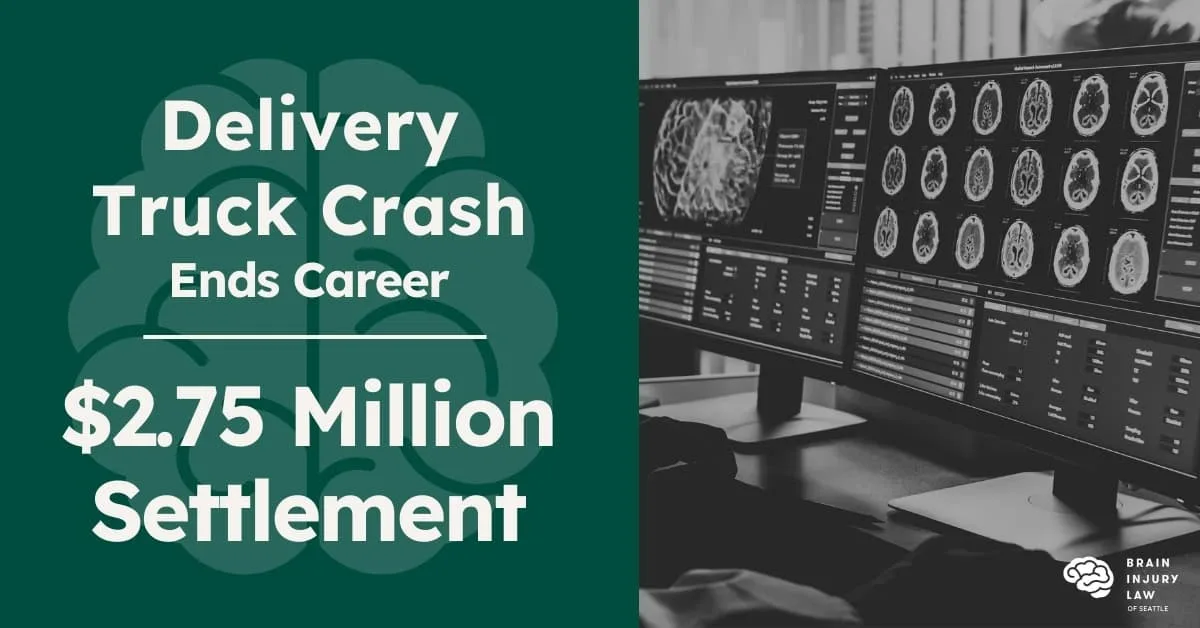
When diagnosing encephalomalacia after head trauma, the most reliable tool is imaging, especially an encephalomalacia MRI (a scan that is able to show areas of compromised brain tissue, cysts, or gliosis). Further neurological and psychological testing helps doctors understand the functional impact of the damage.
For legal cases, thorough documentation of these findings is also important to prove the extent of injury, so these examinations are quite important.
Learn more about the diagnostic tools here.
Treatment Options for Encephalomalacia
Families often ask, “Is encephalomalacia permanent?”
Unfortunately, yes. The brain often cannot regrow lost tissue. However, encephalomalacia treatment focuses on reducing symptoms and preventing further complications. Treatment may include:
- Medications to control seizures or mood changes
- Rehabilitation therapies to restore movement, language, and independence
- Surgery in severe cases to remove damaged tissue or to relieve pressure
- Counseling and community support for emotional and behavioral effects
Even with mild encephalomalacia, early treatment makes a significant difference in quality of life.
Encephalomalacia: The Long-Term Effects and Prognosis
Most victims’ lives are permanently altered to some degree by a head trauma causing encephalomalacia. Some patients can regain independence, while others will require constant care. Whether it’s frontal lobe encephalomalacia, temporal encephalomalacia, or multifocal encephalomalacia, the prognosis depends on the size and location of the injury.
As we are a law firm, a legal question we’re often asked is, “Is encephalomalacia a disability?”
While it is not automatically classified as one, many people with significant deficits may qualify for disability benefits depending on their symptoms and limitations.
Prevention and Risk Management
The best way to deal with encephalomalacia is to prevent head trauma in the first place, by:
- Wearing helmets when appropriate
- Fastening seat belts
- Taking fall-prevention measures
In addition, prompt treatment of any head injury is essential to limit complications and prevent worsening outcomes.
Seeking Justice for Encephalomalacia with Brain Injury Law of Seattle—Call For A Free Consultation
At Brain Injury Law of Seattle, our attorneys understand the medical and personal challenges of conditions like chronic encephalomalacia. We work closely with medical experts to ensure our clients receive fair compensation for the life-changing consequences of these injuries.
Our attorneys fight for your rights and help secure the support you need to move forward. These cases often involve lifelong medical costs, lost wages, and emotional strain, so you will likely need any compensation you are entitled to.
Contact us today to schedule a consultation.
Frequently Asked Questions (FAQ) About TBI-Induced Encephalomalacia
Can a TBI cause encephalomalacia?
Yes. A traumatic brain injury can directly damage brain tissue or disrupt blood supply to critical areas of the brain. Over time, this damage may lead to cystic encephalomalacia, encephalomalacia with gliosis, or chronic scarring. Severity depends on the location and extent of the injury.
What is encephalomalacia after traumatic brain injury?
Encephalomalacia after a traumatic brain injury (TBI) refers to the long-term softening of the brain or tissue death that develops following the initial trauma. Damaged brain tissue often forms gliosis (scarring) or cystic cavities or pockets. Symptoms can range from seizures and cognitive decline to behavioral changes, depending on where and how much brain tissue was affected.
What is the treatment for post-traumatic encephalomalacia?
There is no cure for brain tissue loss, but encephalomalacia treatment focuses on managing symptoms and mitigating complications. This may include medication for seizures, rehabilitation therapies to restore function. Surgery may be helpful to reduce intracranial pressure. Emotional and psychological support is also crucial for patients and families.