If you hit your head in a car accident, don’t assume your symptoms are “just whiplash” or normal soreness. Neck and back pain can easily distract you from signs of a concussion, which means an important brain injury may go unnoticed.
In this guide, you’ll learn the symptoms to watch for, why a normal CT scan does not rule out a concussion, and what steps to take right away and in the weeks after the crash.
Key Takeaways
- If you hit your head in a car accident, you should monitor for concussion symptoms immediately.
- Common concussion symptoms include dizziness, headaches, vision issues, balance problems, memory issues, word-finding trouble, and concentration problems.
- Neck and back pain after a crash can mask concussion symptoms, causing people to miss the real problem.
- Going to the ER or urgent care right after the accident is often the right first step.
- A normal CT scan does not rule out a concussion.
- Roughly 90% of CT scans appear normal in people who have actually been concussed.
- If symptoms get worse, return to the ER right away because worsening symptoms can signal a more serious issue, including a possible brain bleed.
- Follow up with your primary care doctor and clearly separate head-related symptoms from neck and back symptoms.
- Research suggests 30% to 40% of people in a collision who experience whiplash or hit their head may develop concussion-like symptoms.
- Roughly 50% of people with concussions may still have symptoms after six months, depending on age and other factors.
What Is a Concussion After a Car Accident?
A concussion is a mild traumatic brain injury caused by a blow or jolt to the head or body that affects brain function. After a car accident, it can happen even if you did not lose consciousness.
Early recognition is critical because concussion symptoms are often subtle at first. Identifying the injury quickly, getting evaluated, and starting care reduces the risk of worsening or long-lasting symptoms.
Who This Is For
This guide is for:
- Drivers or passengers who hit their head in a crash
- People with whiplash, neck pain, or back pain after an accident
- Anyone experiencing dizziness, headaches, confusion, or memory issues after a collision
- Family members helping someone monitor symptoms after a wreck
This guide is not for replacing emergency medical care. If symptoms are severe or worsening, seek immediate treatment.
How Do You Know If You Have a Concussion After a Car Accident?
The short answer: if you hit your head and develop neurological symptoms, you should assume a concussion is possible until a doctor evaluates you.
Medical guidance is straightforward on this:
If you’re experiencing dizziness, headaches, vision issues, balance problems, word-finding difficulty, or trouble concentrating, there’s a strong chance you’ve had a concussion.
Common concussion symptoms to watch for
- Dizziness
- Headaches
- Vision problems
- Balance issues
- Memory problems
- Difficulty concentrating
- Word-finding trouble
- Mental fogginess
These symptoms may appear immediately, or they may show up hours or days later. That delay is one reason concussions are easy to miss after a crash.
Why Neck and Back Pain Can Hide a Concussion
One of the biggest problems after a car accident is symptom overlap. Many people focus on obvious injuries like neck stiffness, back pain, or muscle soreness and overlook what’s happening neurologically.
Clinicians put it plainly:
Pain from neck or back injuries can mask the symptoms of a concussion caused by hitting your head.
Symptoms like dizziness, trouble focusing, or headaches often get blamed on whiplash or general post-crash stress. When that happens, a real brain injury can go undiagnosed and untreated.
Making decisions following an injury
- If you have neck or back pain plus cognitive or balance-related symptoms, do not assume it’s only a soft-tissue injury.
- If you hit your head and feel “off,” get evaluated for a possible concussion.
What Should You Do Right After Hitting Your Head in a Crash?
The first step is simple: get checked right away.
Step 1: Go to the ER or urgent care
Do this: Seek medical evaluation as soon as possible after the accident.
Why it matters: Doctors need to rule out more serious injuries, especially bleeding or structural trauma.
How to do it:
- Go to the ER if the accident just happened or symptoms are concerning
- Visit urgent care if ER-level care is not needed but you still need prompt evaluation
- Tell the provider you hit your head and list every symptom clearly
Example: Emergency providers will perform an initial evaluation and may order imaging to rule out anything more serious going on.
Does a Normal CT Scan Mean You Don’t Have a Concussion?
No. A normal CT scan does not mean you’re fine.
A normal CT result is encouraging, but it does not rule out a concussion.
In fact, the imaging gap is significant:
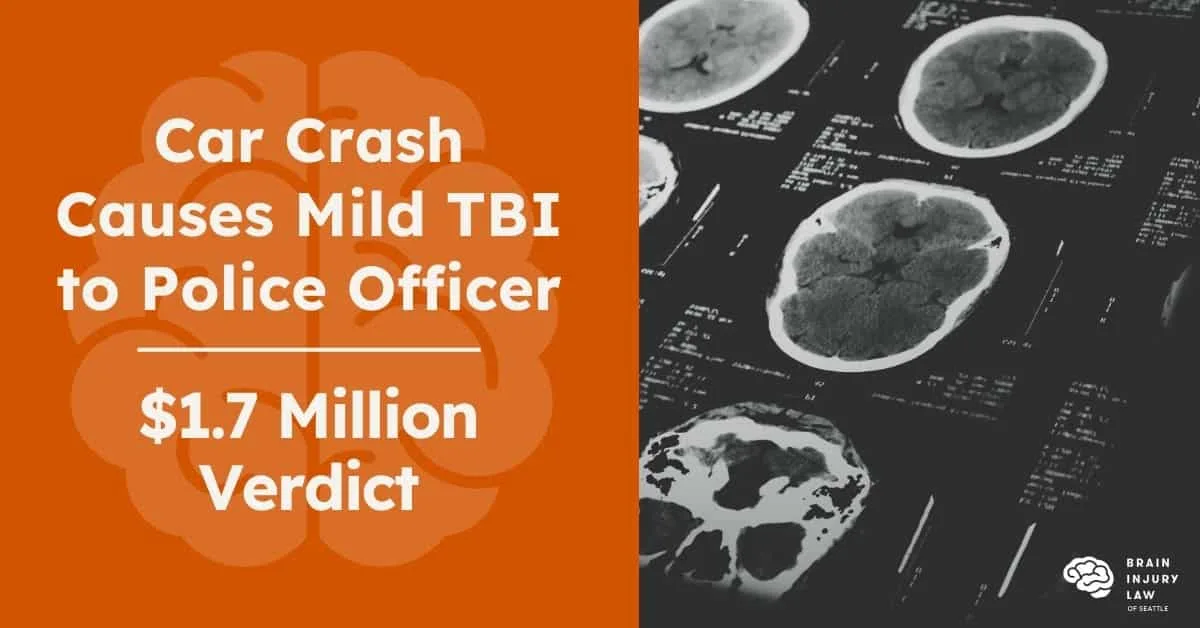
Roughly 90% of CT scans come back normal in patients who have been concussed.
Why this matters
CT scans are useful for detecting emergencies like:
- Brain bleeds
- Skull fractures
- Major structural injuries
But they often do not show a concussion. So if your scan is normal but you still have dizziness, headaches, or concentration problems, you may still have a brain injury that needs follow-up care.
Decision rule
- If the CT scan is normal and you still have concussion symptoms, continue monitoring and follow up with your doctor.
- Do not treat a normal scan as proof that nothing is wrong.
When Should You Go Back to the ER?
If symptoms get worse, go back right away.
Worsening symptoms can signal something more serious, even if it is unlikely. That’s why ER and urgent care providers routinely tell patients to come back if symptoms escalate.
Watch for worsening symptoms such as:
- Increasing headache severity
- More confusion
- Worse dizziness
- New vomiting
- Increasing balance problems
- Vision changes
- Declining alertness
The key rule is simple: improving is reassuring, worsening is not.
What Should You Do in the Days After the Accident?
After the initial emergency evaluation, your next move is follow-up care.
Step 2: See your primary care doctor
Do this: Schedule an appointment with your primary care doctor and describe every symptom in detail.
Why it matters: Your primary doctor can help confirm the diagnosis, track symptoms over time, and create a treatment plan.
How to do it:
- Write down your symptoms before the appointment
- Separate head-related symptoms from neck and back symptoms
- Note when symptoms started and whether they are improving or worsening
- Mention memory, concentration, dizziness, and vision issues specifically
Example: Many people write off symptoms like memory issues, concentration problems, and dizziness as part of their neck or back injuries — and that delays the right diagnosis.
How Common Are Concussion Symptoms After a Car Accident?
Concussion symptoms after a collision are not rare.
Roughly 30% to 40% of people in a collision who experience whiplash or hit their head go on to develop concussion-like symptoms.
Concussions aren’t reserved for severe crashes. Even a mild to moderate impact can cause symptoms, especially if your head moves violently or strikes any part of the vehicle.
How Long Can Concussion Symptoms Last?
Some people recover quickly. Others do not.
About 50% of concussion patients still have lingering symptoms six months later, depending on age and other factors.
This is why early diagnosis matters. The sooner symptoms are identified and managed, the better chance you have of reducing complications and improving recovery.
Common Mistakes People Make After Hitting Their Head in a Car Accident
Assuming it’s only whiplash
This is one of the biggest mistakes. Whiplash and concussion can happen at the same time.
Ignoring mild symptoms
A little dizziness, trouble concentrating, or slight balance issues may seem minor, but they can signal a real brain injury.
Trusting a normal CT scan too much
A normal scan is good news, but it does not exclude a concussion.
Failing to track symptoms
If you don’t write symptoms down, it’s easy to forget when they started or how they changed.
Not following up with a primary care doctor
Emergency care handles immediate risk. Ongoing concussion management often happens afterward.
FAQ
Can you have a concussion even if you didn’t lose consciousness?
Yes. You do not need to lose consciousness to have a concussion. Many people with concussions stay awake and alert but still develop significant symptoms.
What are the first signs of a concussion after a car accident?
Common early signs include headache, dizziness, confusion, vision problems, balance issues, and trouble concentrating. Some symptoms appear immediately, while others develop later.
Should I go to the ER if I hit my head in a car accident?
Yes, especially if the accident just happened, you have concerning symptoms, or your condition feels abnormal. The ER can rule out serious complications and guide next steps.
Is a CT scan enough to diagnose a concussion?
No. A CT scan is mainly used to rule out dangerous structural injuries like bleeding. A concussion may still be present even when the scan is normal.
How do I explain my symptoms to my doctor?
Be specific. List head-related symptoms separately from neck and back pain, and include when symptoms started, how often they happen, and whether they are getting better or worse.
Can concussion symptoms show up later?
Yes. Some symptoms do not appear right away. You should monitor yourself closely in the days and weeks after the crash.
Next Steps: What to Do If You Hit Your Head in a Car Accident
If you only do three things, do these:
- Get evaluated at the ER or urgent care as soon as possible
- Monitor symptoms closely, especially if they worsen
- Follow up with your primary care doctor and clearly report every neurological symptom
A simple plan looks like this:
- Day 1: Get immediate medical evaluation
- Days 1-3: Rest, monitor symptoms, and return to the ER if symptoms worsen
- Week 1: See your primary care doctor for follow-up and treatment planning
- Weeks after: Continue tracking symptoms and report any ongoing issues
Conclusion
If you hit your head in a car accident, take concussion symptoms seriously. Neck and back pain can distract from what may actually be a mild traumatic brain injury, and a normal CT scan does not rule that out.
The bottom line is simple: watch closely for dizziness, headaches, vision issues, balance problems, memory trouble, and concentration issues. Get checked right away, follow up with your doctor, and don’t ignore symptoms that linger or get worse. Early attention can make a major difference in getting the right diagnosis and treatment.